
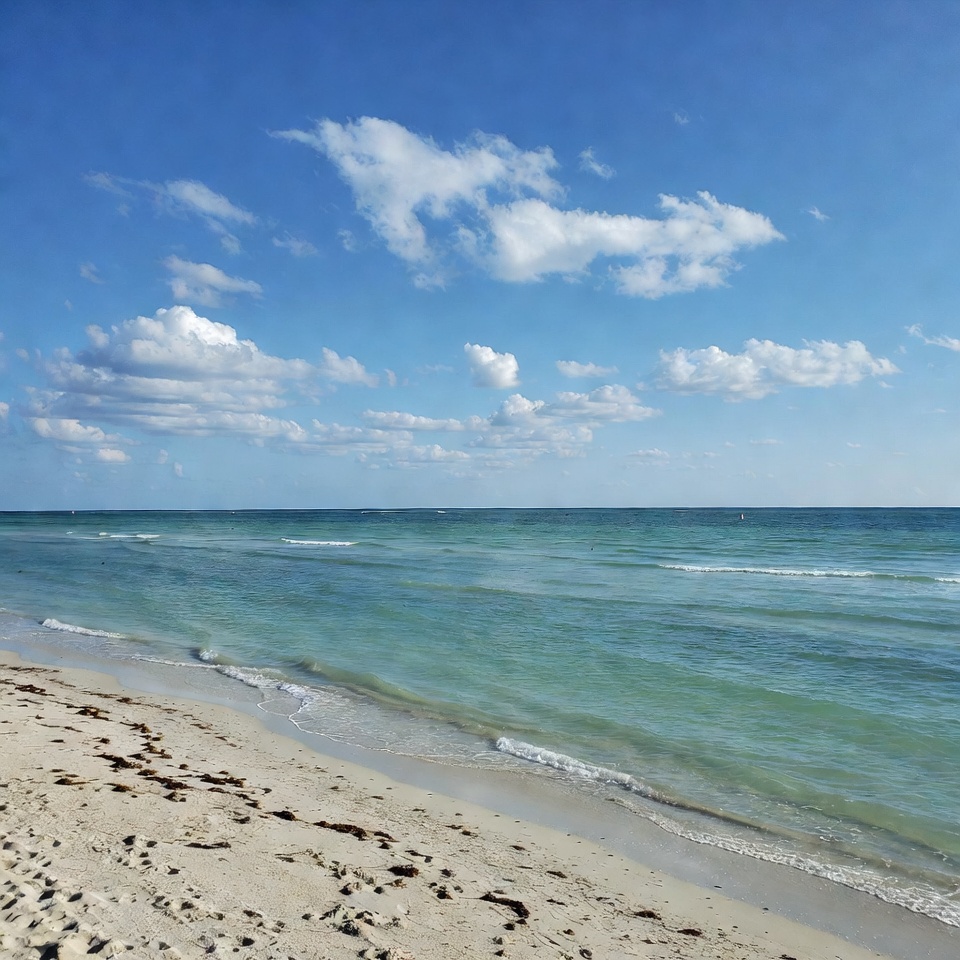
South Beach Vero Beach: A Local’s Down-To-Earth Guide
Is Vero Beach South a nice place to live?
- South Beach is the quiet southern stretch of the Vero Beach barrier island, below the 17th Street Causeway, inside the 32963 ZIP code. It trades Central Beach’s walk-to-dinner energy for calmer streets and more house for the money.
- The communities range from gated club living at The Moorings to deeded-beach-access family neighborhoods like Castaway Cove, plus river-access boating pockets and a wide band of condos. Prices run from the low $300s for older condos to well past $5M for oceanfront estates.
- The number that surprises buyers is not the price. It’s the carrying cost. Insurance, flood coverage, HOA dues, and club fees can move your real monthly payment by thousands, and most listing pages never mention it.
- South Beach fits families, boaters, and buyers who want a calm, established neighborhood. It’s the wrong fit if you want to walk to nightlife or you’re shopping purely on sticker price.
If you’ve been reading neighborhood pages that call South Beach “the best of both worlds” and leave it there, you’re not getting the part that actually decides whether you’ll be happy here. I sell on this island. Let me give you the version with the trade-offs left in.
South Beach is where a lot of relocating families and second-home buyers end up once they realize Central Beach is pricier and busier than they pictured, and the mainland feels too far from the sand. It sits in the middle of those two worlds, and that middle is exactly why it works for so many people. It’s also why a few buyers end up in the wrong house here, which I’ll get to.
Where South Beach actually is
South Beach is the southern third of the Vero Beach barrier island. The rough boundary in most people’s heads is the 17th Street Causeway (the Alma Lee Loy Bridge). North of it you’re heading into Riomar and Central Beach. South of it, the island gets quieter, more residential, and more spread out the farther you go toward the south end.
The whole area sits in 32963, the barrier-island ZIP code, with the Atlantic on one side and the Indian River Lagoon on the other. That two-water geography matters more than it sounds. It’s why some South Beach homes have deeded ocean access while others, just a few streets west, have a boat dock on the lagoon. Same neighborhood label, completely different lifestyle and price. If you want the bigger picture of how the island and mainland fit together, I broke that down in my guide to where Vero Beach actually is.
A1A (Ocean Drive as it runs south) is the spine. South Beach Park, a lifeguarded public beach, anchors the area and is one of the better spots on the island for families who want sand without a club membership.
What living in South Beach feels like day to day
Quiet is the headline. A lot of the streets are dead-ends or low-traffic loops, which is why families gravitate here. Kids ride bikes, neighbors know each other, and the pace is closer to a residential coastal town than a beach resort.
You’re still close to everything. A short drive or bike ride puts you in the Central Beach village for dinner, the Saturday vibe, and the shops, and the mainland’s groceries and big-box stores are over the causeway. You get calm at home and convenience nearby, without paying the Central Beach premium to live on top of the restaurants. If you want a running list of what there is to do once you’re settled, I keep a local’s guide to things to do in Vero Beach updated.
The honest flip side: this is not a walk-to-nightlife neighborhood, and Vero in general winds down early. If your idea of beach living is strolling to a bar at 10pm, South Beach will feel sleepy. That’s a feature for most of my buyers and a dealbreaker for a few. Know which one you are before you fall for a house here.
The communities, by what you actually get
The competitor pages love to drop a comparison table as an image and move on. Here’s the real breakdown in plain text, organized by what kind of buyer each one fits.
The Moorings. The marquee club community at the south end. A Pete Dye championship golf course, a full marina, and a private club-maintained beach. This is country-club living, and it’s priced and structured accordingly. Worth it if you’ll actually use the golf, the boating, and the social side. If you won’t, you’re paying club dues for amenities you’ll watch other people enjoy.
Castaway Cove. One of the most popular family neighborhoods on this part of the island. Gated, with the recognizable winding street layout and, importantly, private deeded beach access for residents. This is the sweet spot for a lot of families who want security and ocean access without a full club membership.
Sea Oaks. A gated oceanfront community with its own beach club, tennis, and a more amenity-rich, condo-and-villa mix. Popular with seasonal owners and buyers who want lock-and-leave convenience near the sand.
Sandpointe and Seagrove. Established residential pockets that give you South Beach location and a more traditional neighborhood feel, often at a lower entry point than the marquee clubs.
River and lagoon-side boating communities. On the western side of A1A, areas with deep-water access give boaters direct routes to the Intracoastal. If your priority is a dock and a boat more than your toes in the ocean every morning, this is the side of the neighborhood to focus on.
Condos. South Beach has a deep band of condos, from older 1970s and 1980s buildings to renovated units, that are the real affordable entry into 32963. This is how plenty of people get a barrier-island address without a single-family-home budget.
What your money actually buys
I’ll talk in tiers instead of exact numbers, because exact numbers go stale fast and the last thing you want is a blog post quoting a price that was right six months ago.
Entry tier, roughly low $300s to mid $400s: older condos and smaller units. This is your foothold on the island.
Mid tier, roughly $500s to low $1M: single-family homes in the established residential pockets, nicer condos, and villas in the amenity communities. This is the heart of the market for relocating families.
Upper tier, $1M and well beyond: gated-community homes, club properties, and anything with real ocean proximity. Oceanfront and large estates run several million and up.
The mistake I see most often is a buyer anchoring on the list price of a mid-tier home and budgeting from there, without running the rest of the math. That’s the section nobody else will write for you, so here it is.
The part listing pages skip: insurance, flood, and club fees
This is where I earn my keep and where the thin neighborhood posts go silent.
Insurance. Florida’s property insurance market has been rough, and barrier-island homes feel it. A windstorm policy on an older South Beach home can be a serious line item, and it varies enormously by the home’s age, roof, and wind-mitigation features. Two houses on the same street can have very different premiums. Get a real quote before you’re under contract, not after.
Flood. Two-water geography means flood zones matter. Some South Beach properties sit in higher-risk zones that require flood insurance, and the premium depends on elevation and the specific property. This is checkable up front, and you should check it before you write an offer, not during inspection.
HOA and club fees. A gated community has HOA dues. A club community layers club membership and dues on top, and those can run into real monthly money. The Moorings is a different financial animal than a non-club neighborhood two miles north. When you compare two homes, compare the all-in monthly number, not the price.
Add those three together and your real monthly cost can swing by thousands between two homes that looked similar on Zillow. When you’re ready to actually make a move on a place, my reasonable offer chart walks through how to think about what to offer once you have the full cost picture in front of you.
South Beach vs Central Beach vs North Beach
Most buyers comparing these three are really choosing between three different daily lives.
Central Beach is the village. Walkable, more shops and restaurants, more energy, and you pay for the location and walkability. Pick it if proximity to dinner and the social scene is the point.
South Beach is the calm, residential middle. More house and more yard for the money, family-friendly streets, club options if you want them, and a short drive to Central Beach when you want the buzz. Pick it if you want a neighborhood, not a strip.
North Beach runs the gamut from the ultra-exclusive enclaves up toward Indian River Shores and beyond, to quieter residential stretches. It tends to feel even more removed and, at the top end, more private and pricey.
If you’re weighing the island against other Florida beach towns entirely, I put Vero head to head with another popular pick in Vero Beach vs Cocoa Beach, which covers the same kind of trade-offs at the city level.
Who South Beach is right for (and who should look elsewhere)
South Beach is a strong fit if you’re a family that wants safe, quiet streets and beach access without living in the middle of the action. It’s great for boaters who want lagoon and Intracoastal access. It works for seasonal owners who want a lock-and-leave condo or villa in an amenity community. And it’s right for buyers who want more square footage and yard than the same budget gets you in Central Beach.
Look elsewhere if you want to walk to nightlife and restaurants every night, if you’re shopping strictly on the lowest sticker price and won’t budget for island insurance and dues, or if a club community’s fees would stretch you to afford amenities you won’t actually use. There’s no shame in any of that. It just means a different neighborhood, or a different part of the island, fits your life better.
South Beach Vero Beach FAQ
Where is South Beach in Vero Beach?
It’s the southern section of the Vero Beach barrier island, generally south of the 17th Street Causeway, in the 32963 ZIP code, with the Atlantic Ocean to the east and the Indian River Lagoon to the west.
Is South Beach a good place for families?
Yes. The quiet, low-traffic streets and communities with deeded or club beach access, like Castaway Cove and Sea Oaks, make it one of the more family-oriented parts of the island.
Can you get a home on the barrier island affordably in South Beach?
The most affordable entry is the older condo market, which can start in the low $300s. Single-family homes generally start higher and climb quickly with ocean proximity and gated-community status.
Does South Beach have boating access?
Yes. Communities on the western, lagoon side of A1A offer deep-water docks with direct access to the Intracoastal Waterway, while The Moorings has a full marina.
What’s the catch with buying in South Beach?
The carrying cost. Insurance, flood coverage, and HOA or club fees can change your real monthly payment dramatically, so always compare the all-in number, not just the list price.
Thinking about South Beach? Let’s talk before you tour.
Tell me three things: your budget, whether you want ocean access, club living, or a boat dock, and whether this is a full-time move or a seasonal place. I’ll send you the South Beach homes that actually fit, with honest insurance and fee estimates attached so the monthly number you’re picturing is the real one. Get in touch here or call or text me, day or night, at (772) 999-4457. Straight answers, no drip campaign you can’t escape.
If you’re relocating from out of the area, start with my complete Vero Beach relocation guide for the full cost-of-living, schools, and market picture.


Leave a Reply
Want to join the discussion?Feel free to contribute!