
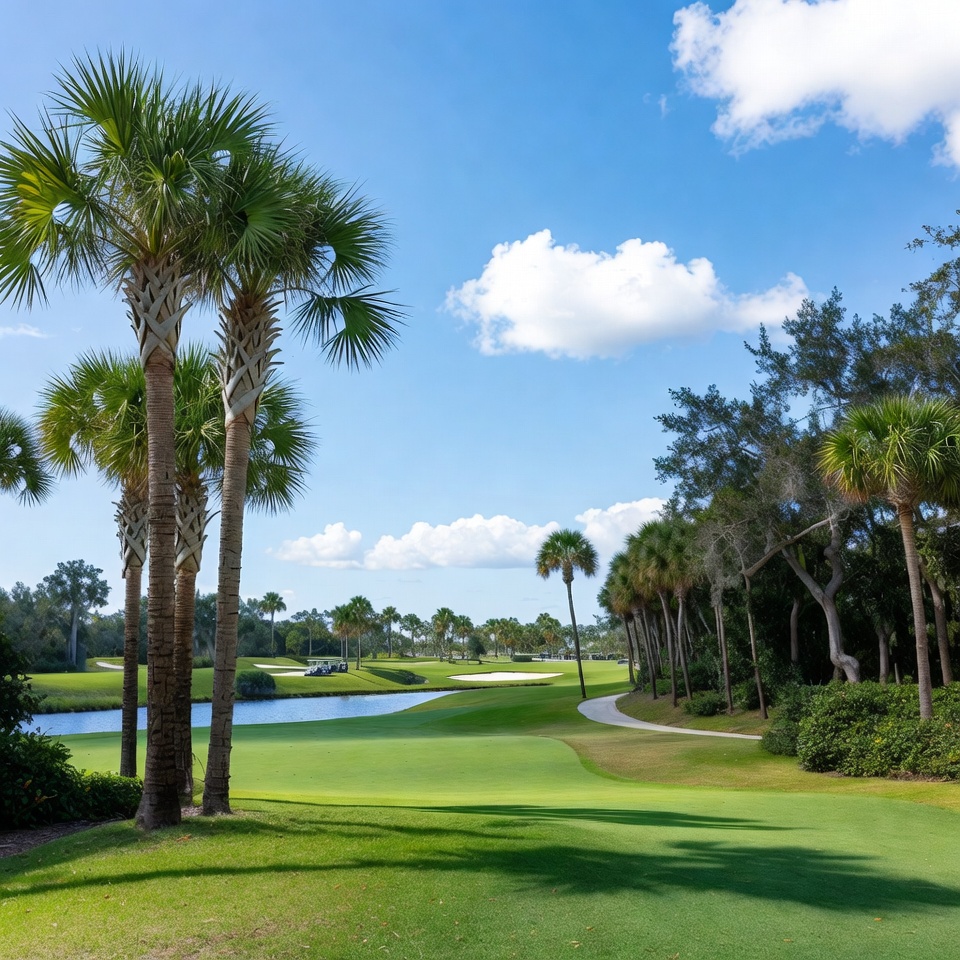
Vero Beach Country Clubs: A Local Guide
Overview of Vero Beach Country Clubs
- “Country club” in Vero Beach means two different things: a club you simply join, or a private club community where you buy a home and the membership comes with the address. Knowing which one you want changes your entire home search.
- The barrier island holds the trophy clubs (John’s Island, The Moorings, Windsor, Orchid Island), where the home and the membership are basically one purchase.
- The mainland clubs (Grand Harbor, Bent Pine, Indian River Club, Quail Valley) give you serious golf and amenities without island pricing.
- Membership structure matters more than the clubhouse photos: equity versus non-equity, golf versus social, buy-in, dues, and waitlists all hit your wallet differently.
- Not every great club here costs a fortune, and the right one depends on how you’ll actually spend your week, not on which name sounds the most exclusive.
Most “country clubs in Vero Beach” articles are a list of names with a paragraph of marketing copy under each. That tells you nothing useful if you’re actually thinking about buying here. The thing nobody explains is that a country club in Vero can mean two completely different things, and confusing them is how buyers waste months looking at the wrong homes. Let me fix that first, then walk you through the clubs the way I’d walk a client through them.
The one distinction that matters before you tour anything
When people say “Vero Beach country clubs,” they’re really describing two different setups.
The first is a standalone club you join. You can live anywhere in town and hold a membership. You drive in, golf, play tennis, have dinner, drive home. Your house and your club are separate decisions.
The second is a private club community you buy into. Here the club sits inside a gated residential community, and owning a home there is tied to club access. In some of these, a certain level of membership is mandatory when you buy. The home and the club are effectively one purchase, and you can’t separate them.
This is the part that trips people up. Someone falls in love with a club, starts shopping homes all over Vero, then learns the membership they wanted only comes with an address inside that specific gate. Or the reverse: they buy a home expecting club access, then find out membership has a waitlist or a buy-in they didn’t budget for. Sort out which type you’re after first. It narrows your home search before you waste a single Saturday on the wrong listings. If you’re still getting the lay of the land, my Vero Beach communities guide breaks down where each of these sits.
The barrier island clubs
The island is the strip between the Indian River Lagoon and the Atlantic. This is where the marquee clubs live, and in almost every case the club and the real estate are the same conversation.
John’s Island. Top of the market, full stop. A private, gated club community in Indian River Shores with three championship golf courses, a large tennis and racquet program, an oceanfront beach club, and a level of polish that sets the ceiling for the whole area. If you’re shopping here, you already know it, and you’re buying the lifestyle and the membership together.
The Moorings Yacht and Country Club. Member-owned, set along the Indian River Lagoon, and built around water as much as golf. You get 36 holes including a well-known Pete Dye signature course, a full tennis and pickleball program, a fitness center, pools, and an active yacht club with a marina. It draws people who want boating and golf in the same place.
Windsor. The most distinctive of the bunch. A planned seaside village of estate homes with a links-style golf course, a Stan Smith tennis center, a beach club, and a genuine equestrian and polo operation. Architecturally it’s in a category of its own, and it’s priced to match.
Orchid Island. A gated golf and beach club community on the north end of the island. Quieter and more private than John’s Island, with golf, tennis, and a beach club, and the same model where the home and the club access go hand in hand.
There are older, classic clubs on the island too, like Riomar, one of Vero’s oldest, which carries a more historic, understated character than the newer luxury developments. If old-Vero charm matters more to you than resort amenities, that’s worth a look.
The common thread on the island: you are usually buying the home to get the club, not joining the club separately. Budget accordingly.
The mainland clubs
Cross the bridge to the mainland and you get serious clubs without the island price tag. For a lot of buyers, this is where the real value sits.
Grand Harbor. Guard-gated and resort-style, set along the Intracoastal, with two golf courses, a separate beach club on the Atlantic, tennis, fitness, and pools. It runs like a full resort community, and it’s a favorite for people who want everything in one gate.
Bent Pine. Elegant, private, and golf-focused. The 18-hole Joe Lee course has hosted U.S. Open qualifiers, which tells you the golf is taken seriously here. Smaller and more golf-centric than Grand Harbor, with tennis on top.
Indian River Club. Tucked into 300 acres on the south end of town, this one leans nature-centric and serene, built around a Ron Garl signature course that winds through preserve land. If you want golf wrapped in old Florida quiet rather than resort buzz, this is the one.
Quail Valley. A well-run, well-regarded operation that’s known more for how it’s managed than for flash. It’s a strong option for people who want a quality club experience without buying into a single gated address to get it.
Pointe West. The most accessible of the mainland golf communities. Master-planned, family-friendly, and pedestrian-oriented, with golf at The Club at Pointe West and a price point that opens the door to buyers who aren’t writing island-sized checks.
The accessible club most lists skip
Here’s the one the glossy articles tend to leave out. Vero Beach Country Club has been part of the community since 1924, sits right in the heart of town, and is far more attainable than the gated island clubs. You don’t need a seven-figure home inside a private gate to play here. If your picture of “country club living” is regular golf, a real clubhouse, and a social calendar without a luxury-community buy-in, this belongs on your list. It’s a useful reality check that not every good club in Vero requires a fortune.
How membership actually works
This is where the marketing copy goes quiet and your real costs live. A few things to understand before you fall for a clubhouse photo.
Equity versus non-equity. Equity clubs are member-owned, so joining usually means a larger upfront buy-in, and you hold a financial stake. Non-equity clubs typically have a lower entry cost and you’re paying for access, not ownership. Neither is “better.” They’re just different financial structures, and they hit your budget in different places.
Golf versus social tiers. Most clubs sell tiered memberships. A full golf membership costs the most. Social or sports memberships cost less and get you dining, events, and often tennis and pool without full golf privileges. If you golf twice a year, paying for full golf is money lit on fire. Match the tier to how you’ll actually use the place.
Buy-in and dues are separate. Plan for both the one-time cost to join and the ongoing monthly or annual dues, plus food and beverage minimums at many clubs. The buy-in gets the attention. The dues are what you live with every month.
Waitlists and mandatory membership. Some clubs have waitlists, so access isn’t instant even if you buy the home. And in some club communities, a membership level is required as a condition of ownership. Both of these need to be confirmed in writing for the specific club and the specific home before you commit, because they change.
I keep this directional on purpose. Buy-ins and dues move, and any hard number I print today is wrong by next season. When you’re serious about a particular club, I’ll get you the current figures straight from the source so you’re budgeting from real numbers, not a stale blog post.
How to actually choose
Forget which name sounds the most exclusive. Choose on how you’ll spend your week.
Golf most days of the week points you toward Bent Pine, Grand Harbor, John’s Island, or The Moorings depending on budget. Boating in the mix moves The Moorings up the list. Tennis or an active social calendar without heavy golf means a social membership somewhere like Grand Harbor or Vero Beach Country Club makes more sense than overpaying for golf you won’t use. Wanting the club experience without an island-sized purchase points you mainland, to Pointe West, Quail Valley, or Vero Beach Country Club.
And remember the first rule: if the membership you want only comes with a home inside a specific gate, that decision just narrowed your entire home search. That’s a good thing. It saves you from touring houses that were never going to get you what you actually wanted. This is exactly why I sort buyers by club and lifestyle before we ever pull listings, and it’s the same logic behind my best Vero Beach communities for snowbirds breakdown if seasonal living is your plan.
If Vero is still a new name on your map, start with where Vero Beach actually sits and the full relocation guide before you get deep into clubs. And if you’re coming up from South Florida, moving to Vero Beach from Miami covers what changes when you head north.
Ready to find the right Vero Beach country club, and the right home to go with it?
Tell me how you’ll actually use a club (golf, tennis, boating, social, or some mix), your budget, and whether you want to be on the island or the mainland. I’ll tell you which clubs fit, which ones tie a membership to ownership, and which homes get you there. Then I’ll pull the current buy-in and dues for your shortlist so you’re working from real numbers. Get in touch here or call (772) 999-4457. Straight answers, no drip campaign.
Related reading


Leave a Reply
Want to join the discussion?Feel free to contribute!