
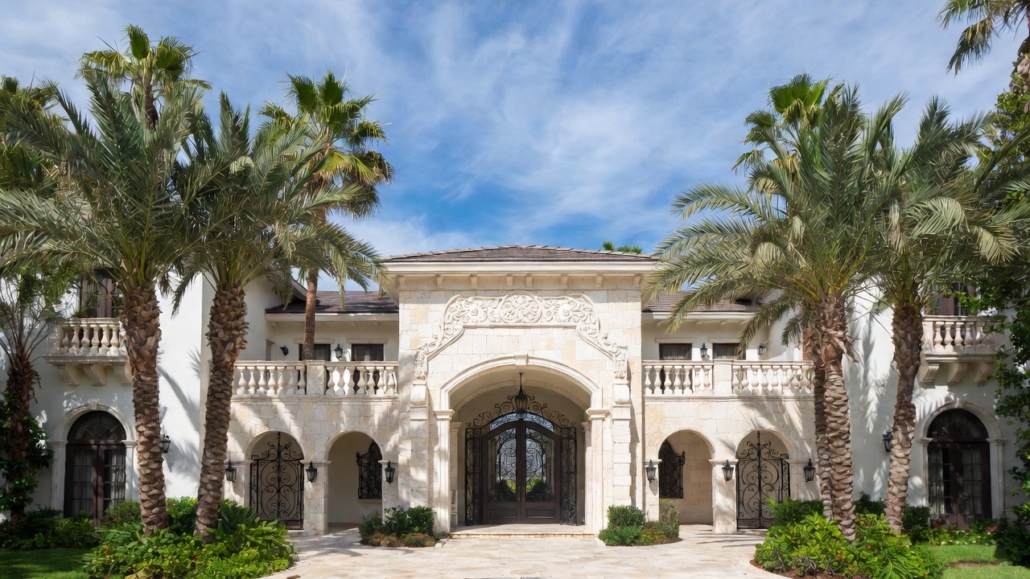
What Is A Villa?
What Is a Villa? Villa Style Homes Explained
- In Florida real estate, a villa is usually a one-story attached home that shares at least one wall with a neighbor, though detached villas exist too.
- “Villa” is a marketing term, not a legal one, so the same home can be deeded as a condo, a townhouse, or fee simple, and that difference changes your financing, insurance, and monthly fees.
- Attached villas typically run 1,200 to 2,000 square feet with an attached garage, and they dominate the 55+ and golf community market here in Vero Beach.
- Before you fall in love with a villa, ask one question first: how is it deeded? The answer matters more than anything in the listing photos.
I show villas in Vero Beach almost every week, and the same conversation happens over and over. A buyer from New Jersey or Ohio calls me about a “villa” they found online, and what they’re picturing is a Tuscan estate with a fountain. What the listing actually is: a tidy one-story home that shares a wall with the neighbor, sits in a gated community, and costs a fraction of what they feared.
That gap between the word and the reality is worth clearing up, because villas are one of the smartest buys in Florida for the right person. Here’s what a villa actually is, how it differs from a condo or townhome, and what to check before you write an offer on one.
Where the word “villa” comes from
The term goes back to ancient Rome. Wealthy Romans built country retreats away from the city, complete with gardens, mosaics, and sprawling living space. Those estates were called villas, and the word has carried a whiff of luxury ever since.
Builders in Florida borrowed the term decades ago because it sells better than “half of a duplex.” That’s really all you need to know about the history. The modern American villa has almost nothing to do with the Italian countryside, and everything to do with low-maintenance living in a planned community.
What a villa means in today’s real estate market
There’s no legal definition of a villa. It’s a product type that builders and agents use, and in Florida it almost always means one of two things.
The attached villa
This is the common one, and it’s what you’ll see most in Vero Beach. Typical characteristics:
- One story, no stairs
- Shares one or two walls with neighboring units, usually in buildings of two to six homes
- 1,200 to 2,000 square feet
- Attached one- or two-car garage facing the street
- A small private patio, lanai, or courtyard
- Located inside a planned community, often gated, often with a pool and clubhouse
The pitch is simple: single-family living without single-family maintenance. The HOA or condo association usually handles the lawn, and often the roof and exterior paint too. That’s why villas are the default product in 55+ communities and a favorite with snowbirds who lock the door in April and fly north.
The detached villa
Some communities market standalone homes as villas. These share no walls, run anywhere from about 1,200 to 4,000 square feet, and are usually positioned as the low-maintenance tier inside a larger golf or resort community. Functionally it’s a single-family home with an HOA that mows your grass. The “villa” label signals the lifestyle, not the structure.
Villa vs. condo vs. townhouse: the difference that actually matters
Here’s the part most articles get wrong, and it’s the part that affects your wallet.
“Villa” describes what the home looks like. “Condo,” “townhouse,” and “fee simple” describe how the home is owned. The same attached villa can be deeded any of these ways, and in Florida you’ll find all three.
If the villa is deeded as a condominium, you own the interior and the association owns the structure and land. Your insurance is a simpler interior policy, the association insures the building, and your monthly fee is higher because it covers more. The catch is financing. Condo purchases trigger lender questionnaires about the association’s budget, reserves, insurance, and owner-occupancy ratio, and a weak association can sink a loan even when the buyer is rock solid. I’ve watched it happen.
If the villa is fee simple, you own the structure and the land under it, shared wall and all. You carry a full homeowners policy, your HOA fee is lower, and financing works like any single-family home. You’re also on the hook for your own roof, which in Florida means paying attention to roof age and your wind mitigation report, because insurers here certainly will.
A townhouse, by contrast, is usually two or three stories with the shared walls running vertically. If you’re comparing a villa to a townhome, the practical difference is stairs. For a lot of my retiree buyers, that alone ends the comparison.
So when a buyer asks me “is this a villa or a condo,” my honest answer is often “yes.” It’s a villa in the photos and a condo on the deed. Neither is bad. You just need to know which one you’re buying, because the fees, insurance, and loan process are different animals.
Villa vs. ranch home
People also mix up villas and ranch houses since both are single-story. The quick distinction: a ranch is a standalone home on its own lot with no association implied, usually longer and more rectangular. A villa, even a detached one, lives inside a community framework with shared amenities and shared rules. If there’s a gate, a clubhouse, and a landscaping crew you don’t hire yourself, you’re in villa territory.
The villa lifestyle in Vero Beach
This is where the generic definition meets real life. Vero Beach has one of the deepest villa markets on the Treasure Coast, because our buyer pool is heavy on retirees, snowbirds, and downsizers, exactly who villas were invented for.
You’ll find attached and detached villas across our gated, golf, and 55+ communities, from mainland golf communities like Grand Harbor to barrier island spots like Sea Oaks and Marbrisa, plus the big 55+ villa inventory in communities off Indian River Boulevard and out west of town. Depending on the community, villa ownership can come with pools, tennis and pickleball, walking trails, a marina, or a golf course out the back door.
Pricing spans a wide range. Mainland 55+ villas can start in the high $100s to $300s, while barrier island villas in club communities run well north of that. The monthly fee varies just as much, which is why I tell buyers to compare the total monthly cost, not the sticker price. A cheaper villa with a $900 condo fee can cost more per month than a pricier fee simple villa with a $250 HOA.
If you’re weighing a move here from up north, my complete Vero Beach relocation guide walks through the neighborhoods, costs, and tradeoffs in much more detail.
Questions to ask before buying a villa
After 20+ years in this business, these are the ones that save people money and grief:
- How is it deeded? Condo, fee simple, or townhouse. This drives everything else.
- What exactly does the monthly fee cover? Roof? Exterior? Insurance on the structure? Lawn only? Get it in writing.
- How old is the roof, and who replaces it? In Florida, roof age drives your insurance quote more than almost anything.
- Are there upcoming special assessments? Ask for the association’s budget and recent meeting minutes.
- What are the rental rules? Some villa communities allow seasonal rentals, some require 6 to 12 month minimums, and some prohibit rentals entirely. Big deal if you’re a snowbird thinking about offsetting costs.
- Is the community age restricted? 55+ rules affect who can live there and who can buy from you later.
The bottom line on villa style homes
A villa isn’t a specific architecture. It’s a promise: single-story living, less maintenance, and a community around you. In the right situation, especially for retirees and snowbirds, a villa is the best value in Florida real estate. In the wrong situation, usually an underfunded association or a surprise assessment, it’s a headache with a shared wall.
The difference comes down to due diligence, and that’s a big part of what I do. I’m Jon Sterling, a licensed Florida real estate agent here in Vero Beach, and I walk buyers through villa communities, association documents, and total-cost math every week. If you’re villa shopping on the Treasure Coast, or just trying to figure out whether a villa, condo, or single-family home fits your plans, reach out and I’ll give you the straight answer.
Related reading


Leave a Reply
Want to join the discussion?Feel free to contribute!