
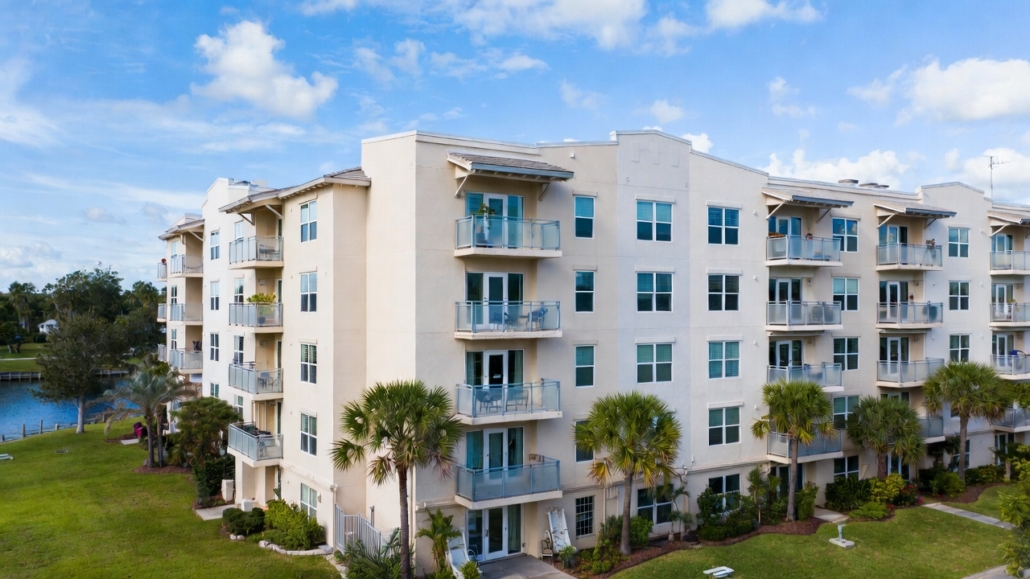
Buying vs. Renting A Condo
Buying vs. Renting a Condo in Florida: The Reality Check
- The old “buying builds equity, renting throws money away” advice doesn’t survive contact with the Florida condo market, where fees, insurance, and special assessments can erase the ownership advantage.
- Buying a condo makes sense when you’ll stay five years or more, the building’s finances are healthy, and the total monthly cost (not just the mortgage) fits your budget with room to spare.
- Renting a condo wins when you’re testing a new area, the buildings you like have looming milestone inspections or thin reserves, or you want a fixed cost with zero assessment risk.
- The single most important document in this decision isn’t your mortgage pre-approval. It’s the condo association’s budget and reserve study.
- Right now in Vero Beach, softer condo prices mean buyers have real leverage, but only on buildings that have already done their inspection homework.
If you asked me this question in 2019, I would have given you the standard answer: if you’re staying a while, buy, because renting builds someone else’s equity. That answer is now incomplete to the point of being dangerous, at least in Florida.
Florida’s condo market went through a structural reset after the Surfside collapse. Buildings three stories and taller now face mandatory milestone inspections, and associations can no longer waive reserve funding for major structural components. That was the right call for safety. It also meant that decades of artificially low condo fees came due all at once. Owners in older buildings got hit with special assessments, some in the five and six figures, and monthly fees jumped hard across the state.
So the buying vs. renting a condo question isn’t really “do you want equity or flexibility.” It’s “do you understand exactly what you’d be buying into, and does the math still work once you count everything?” Let me walk you through how I actually run this decision with buyers here in Vero Beach.
The real monthly cost of owning a condo (it’s not the mortgage)
Most rent vs. buy calculators compare rent against a mortgage payment. That comparison is useless for condos. Here’s what a condo owner in Florida actually pays every month:
- Principal and interest on the mortgage
- Condo association fees, which in Vero Beach commonly run from the $300s in older mainland communities to $1,000 or more in oceanfront buildings
- Property taxes, offset partially by the homestead exemption if it’s your primary residence
- An HO-6 condo insurance policy for the interior of your unit, plus your share of the building’s master policy, which is baked into the association fee and has been one of the biggest drivers of fee increases
- A reserve contribution, now mandatory in most buildings, funding roofs, structure, waterproofing, and other big-ticket items
- Special assessment risk, which isn’t a monthly line item until suddenly it’s a very large one
When I run this math with buyers, the all-in monthly cost on a $300,000 condo often lands 40 to 60 percent above the naked mortgage payment. Sometimes that number still beats renting. Sometimes it doesn’t come close. You can’t know until you add it all up for a specific building, which is why generic advice on this topic is mostly noise.
When buying a condo wins
Buying still wins in plenty of situations, and I say that as someone who helps people do it every week. Buying makes sense when most of these are true:
- You’re staying five years or longer. Closing costs, title work, and eventual selling costs need time to amortize. Shorter than five years and the transaction costs alone usually favor renting.
- The building has already done its milestone inspection and funded its reserves. This is the big one. A building that took its medicine in 2024 or 2025 has predictable fees going forward. A building that hasn’t is a deferred bill with your name on it.
- You want cost stability. A fixed-rate mortgage locks your biggest housing cost for 30 years. Renters in Florida have watched lease renewals climb year after year with no ceiling.
- You’ll homestead it. Florida’s homestead exemption and the Save Our Homes cap on assessed value increases are genuinely valuable, and renters get neither.
- You’re buying in a soft market, which this is. Condo inventory in Vero Beach and across Florida is elevated and prices have come down from the peak. Sellers of units in solid buildings are negotiating. That’s leverage you didn’t have three years ago.
There’s also the equity argument, which is real but slower than people think in the current market. You build equity through principal paydown from day one. Appreciation is the bonus, not the plan, especially for condos right now.
When renting a condo wins
Renting gets treated like the consolation prize. It shouldn’t be. Renting a condo is the smarter move when:
- You’re new to the area. I tell relocating buyers this all the time, and yes, it costs me sales: rent for six to twelve months first. Vero Beach has distinct pockets, and the difference between living on the barrier island, near downtown, or out west by the newer communities is bigger than any listing photo conveys. My complete Vero Beach relocation guide breaks down those tradeoffs in detail.
- The buildings in your budget have inspection or reserve problems. As a renter, a special assessment is the owner’s problem, not yours. Your worst case is a rent increase at renewal, and you can walk.
- You’re a snowbird testing the seasonal lifestyle. A seasonal rental lets you live the January-through-April routine before committing a few hundred thousand dollars to it. Plenty of my buyers rented for a season or two first, and every one of them made a better purchase because of it.
- Your timeline is uncertain. Job situation in flux, family stuff unsettled, might move in two years? Rent. The flexibility is worth more than the equity you’d barely build.
- The rent-to-own math is lopsided. In some Vero Beach buildings, you can rent a unit for meaningfully less per month than it costs to own the identical unit next door once fees and insurance are counted. When the gap is that wide, renting and investing the difference is a legitimate wealth strategy, not a cop-out.
The five questions that actually decide this
Forget the online calculators for a minute. When a buyer asks me whether to buy or rent a condo, these are the questions we work through:
- How long will you realistically be here? Under five years leans rent. Over five leans buy.
- Has the building completed its milestone inspection, and what did it find? Ask for the report. A clean report on a building that’s funded its reserves is a green light. No report, or a report with open repair items, changes everything.
- What do the association’s budget and reserve study look like? I read these documents with my buyers before we write an offer. Thin reserves plus an aging building equals future assessments, full stop.
- What’s the true monthly gap between renting and owning the same quality unit? Not mortgage vs. rent. All-in cost vs. rent.
- What are the rental restrictions? If you might rent the unit out later, or sell to an investor someday, minimum lease terms and rental caps matter. Some buildings require 6 to 12 month minimums, some cap the percentage of units that can be rented, and a few prohibit rentals entirely.
Notice that only one of those five questions is about you. The other four are about the building. That’s the part the generic articles skip, and it’s the part that determines whether a Florida condo purchase is a great decision or an expensive lesson.
What buying vs. renting a condo looks like in Vero Beach right now
A quick local snapshot, because national advice is only worth so much. Vero Beach has two very different condo markets:
The mainland market runs from the $100s to the $300s, heavy on 55+ communities like Vista Royale and Vista Plantation, with golf, pools, and active social calendars. Fees are moderate, buildings are mostly low-rise (which softens the inspection burden), and this is where renting vs. buying is a genuinely close call because seasonal and annual rentals exist in decent supply.
The barrier island market starts around the low $300s for older buildings and climbs past $1 million for newer oceanfront. This is where the milestone inspection question dominates. Some island buildings, including co-op and condo buildings from the early 1970s like the ones I covered in my Ocean Club guide, offer the most affordable direct-ocean living in town, but the building’s inspection status and financials are the entire ballgame. Buy into the right one and you got a deal. Buy into the wrong one and the assessment letter arrives before your furniture does.
If you’re still getting oriented to the area, my Vero Beach communities guide covers the neighborhoods, and my things to do guide will tell you whether the lifestyle here actually fits you, which matters more than any spreadsheet.
Parting thoughts on buying vs. renting a condo
Buy the condo when you’re staying five-plus years, the building’s paperwork is clean, and the all-in monthly cost works. Rent the condo when you’re testing the area, the timeline is fuzzy, or the buildings you can afford carry assessment risk you can’t quantify. Neither choice is a failure. The failure is making either one without reading the association documents first.
I’m Jon Sterling, a licensed Florida real estate agent with The Real Brokerage here in Vero Beach. I help buyers run this exact analysis on specific buildings, association budgets and reserve studies included, and I’ll tell you straight when renting is the better move even though it doesn’t pay me. If you’re weighing a condo purchase anywhere in Vero Beach or on the Treasure Coast, get in touch and we’ll run your numbers on real buildings.
Related reading


Leave a Reply
Want to join the discussion?Feel free to contribute!