The History Of John’s Island
The History of John’s Island, Florida: Bean Farms to Blue Chips
- John’s Island is named after John La Roche, a farmer who homesteaded a small island in the Indian River in 1880 and sold lots for $25 an acre, making him the community’s first real estate agent by about 90 years.
- The land almost became a state university in the early 1960s. The proposal failed, and the landowner’s heirs sold the 3,000-acre assembly to developer E. Llwyd Ecclestone Sr. in 1969.
- Ecclestone was 67, coming off a near-bankruptcy at Lost Tree Village, and bet on a golf-first master plan. The South Course opened the same year ground broke.
- The membership bought the club from the developer’s family in 1986, which is why John’s Island runs the way it does today: member-owned, invitation-only, and deliberately slow to change.
- The history explains the modern price tag. A one-unit-per-acre cap, preserved oak hammocks, and three miles of private beach were decisions made in 1969 that you’re still paying for (and benefiting from) in 2026.
Most of what’s written about John’s Island history comes from the brokerage that sells it, and it reads like a timeline taped to a sales brochure. The actual story is better than that. It involves a bean farmer with a real estate side hustle, a plane crash that changed the county, a developer mortgaged to five banks, and a handshake dispute with Jack Nicklaus that never got resolved.
I’m a licensed Florida real estate agent in Vero Beach, I work this market every week, and I think the history is worth telling straight. Here it is.
The original John’s Island was a farm town (1715 to 1925)
The story starts earlier than most people expect. In 1715, survivors of the wrecked Spanish Plate Fleet set up a salvage camp near what’s now the northern edge of the community. That’s where the “Treasure Coast” name comes from, and John’s Island sits right in the middle of it.
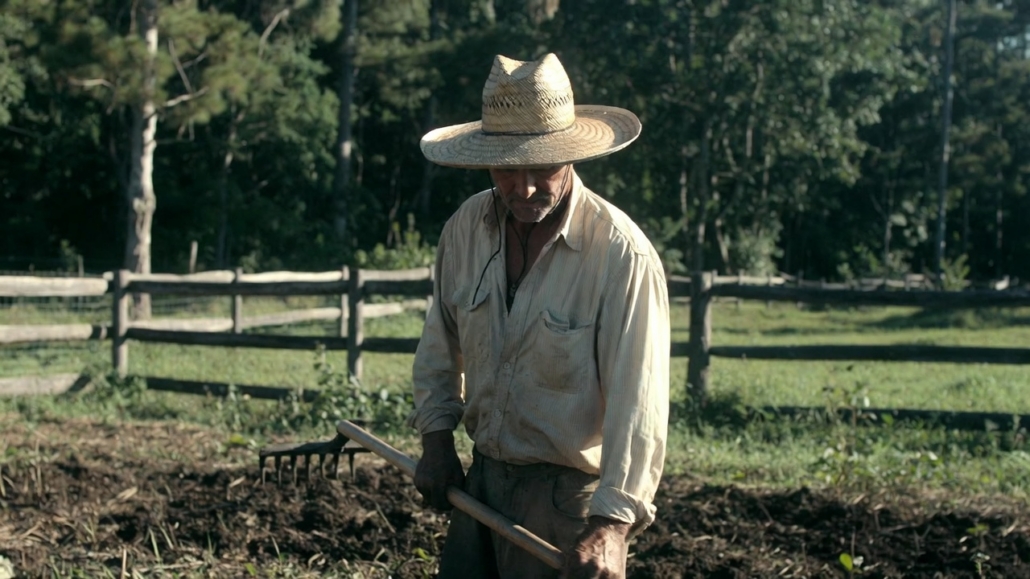
The John in John’s Island arrived in 1880. John La Roche was a farmer who picked a 300-acre island in the Indian River because the soil was good and it was the shortest row to the mainland. He filed homestead papers in 1889 for 138.5 acres, then promptly started selling lots at $25 an acre. A surveyor made the name official in 1890.
By the early 1900s, the island La Roche founded had around 200 residents, two Baptist churches, a post office called Reams, and a school known for its singing. Then the railroad came. By 1925, nearly everyone had moved to the mainland for work that didn’t involve farming beans, and the island went back to jungle. The old cemetery where the original settlers are buried is still there, inside the gates.
Fred Tuerk and the university that never happened (1953 to 1967)
The modern chapter starts with Fred Tuerk, a former president of the Chicago Stock Exchange, who bought the island and then spent years assembling roughly 3,000 surrounding acres parcel by parcel. Tuerk wasn’t in a hurry to develop. He wanted the land sold only to someone who respected it.
Here’s the part almost nobody knows: in the early 1960s, Tuerk offered a chunk of that land to the State of Florida for a new university. Local leaders scrambled to get the proposal to Tallahassee, and a young banker and pilot named Bob Spillman hand-delivered it by plane. He was killed in a crash on the return flight. The county didn’t get the university, and Tuerk died in 1967 without ever developing the land.
It’s worth pausing on that one. If the Board of Regents had said yes, the most exclusive club community on Florida’s east coast would be a state college campus today, and the entire real estate map of Indian River Shores would look different. If you’re curious how the town and the city relate now, I broke that down in my Vero Beach vs. Indian River Shores comparison.
Ecclestone’s bet (1969 to 1981)
Tuerk’s heirs went looking for a buyer who matched his standards and found E. Llwyd Ecclestone Sr., the developer of Lost Tree Village in North Palm Beach. On paper he was the perfect fit. In reality, Ecclestone had nearly lost everything at Lost Tree just a few years earlier, at one point carrying mortgages with five different banks. He was 67 years old when he took on John’s Island in March 1969.
He moved fast. Ground broke that spring, and the first round of golf on the Pete Dye-designed South Course was played by December of the same year. The official story says Dye designed it in consultation with Jack Nicklaus. According to Alice Dye, Pete’s wife, Nicklaus never actually worked on the course because Ecclestone never got a contract signed with him. The signs said otherwise. Golf history is full of stuff like this.
A few things Ecclestone did in those first years still shape the community today:
- He placed homes around the oak trees instead of clearing them. The oak hammock canopy that defines the streetscape was a 1969 design decision, not an accident.
- He capped density. The master plan limited the community to roughly one unit per acre, which is why supply stays tight and values hold.
- He hired Errie Ball, a Chicago club professional who had played in the first Masters. Ball’s Midwest connections brought the wave of wealthy Chicago and Detroit families that set the community’s tone for the next fifty years.
The North Course followed in 1971, making John’s Island the first club in Florida with two 18-hole courses. Ecclestone died of cancer in 1981 without seeing the buildout finished. He’s buried in the old settlers’ cemetery on the property, alongside the farming families from the 1890s. His daughters carried the development forward.
The members take over (1982 to 1999)
The move that defines modern John’s Island happened on January 1, 1986: the membership bought the club from the developer’s company. To sweeten the deal, the family commissioned Tom Fazio to build a third course six miles west on a prehistoric dune ridge with 50 feet of elevation, which is basically unheard of in Florida. The West Course opened in January 1988 and later earned Audubon sanctuary certification. There are no homes on it, by design.
Gem Island, a 79-acre island of riverfront estates, opened in 1989 as the final developed piece. In 1999, Lost Tree Village sold John’s Island Real Estate Company to Bob Gibb, whose firm still operates as the on-site brokerage today.
That 1986 equity conversion matters more than any other date on this page if you’re thinking about buying. A member-owned, invitation-only club behaves differently from a developer-owned amenity. Decisions are slow, standards are conservative, and membership approval is a genuine process, not a formality. I cover how that process actually works in my John’s Island buyer’s guide.
The modern era (2000 to today)
The last two decades have been about reinvestment rather than expansion, because there’s nothing left to expand into. The highlights: a new world-class Beach Club in 2008, a renovated West Clubhouse in 2011, the first USGA championship on the Treasure Coast in 2015 (the Mid-Amateur, played on the West Course, where the winner earned a Masters invitation), a major Golf Clubhouse renovation in 2016, a full South Course renovation in 2018, and the community’s 50th anniversary in 2019. Pickleball courts showed up in 2016 and multiplied, because it’s Florida.
Today John’s Island covers about 1,650 developed acres (3,200 counting wetlands) with three miles of private beach and over nine miles of Intracoastal frontage, all inside the town of Indian River Shores just north of Vero Beach.
Why the history matters if you’re buying
Every expensive thing about John’s Island traces back to a decision in this story. The one-unit-per-acre cap from 1969 is why inventory is scarce. The oak preservation is why the streets look the way they do. The 1986 member buyout is why the club is invitation-only and why you can’t just buy your way in. The Midwest social pipeline Errie Ball built is why so many members are second and third generation.
None of that is marketing spin. It’s structural, and it’s why John’s Island holds value the way it does compared to newer communities that can always build another phase. If you’re weighing it against its closest peer to the north, my Orchid Island guide covers the differences, and if you’re earlier in the process, start with my complete Vero Beach relocation guide.
Quick answers
Who is John’s Island named after? John La Roche, a farmer who homesteaded the original 300-acre island in the Indian River starting in 1880.
When was John’s Island developed? The modern club community broke ground in March 1969 under developer E. Llwyd Ecclestone Sr. The first golf was played that December.
Who owns John’s Island now? The club has been owned by its members since 1986. Individual homes are privately owned, and the community sits within the incorporated town of Indian River Shores.
Want the present-day version of the story?
The history is fun, but if you’re actually considering a home here, what you need is current pricing, the membership reality, and an honest read on whether it fits how you live. I’m an independent agent at jonsterling.com, which means I can show you John’s Island and every community you should be comparing it against. No pressure, no drip campaign. Contact me here or call (772) 999-4457.
Related reading


Leave a Reply
Want to join the discussion?Feel free to contribute!