
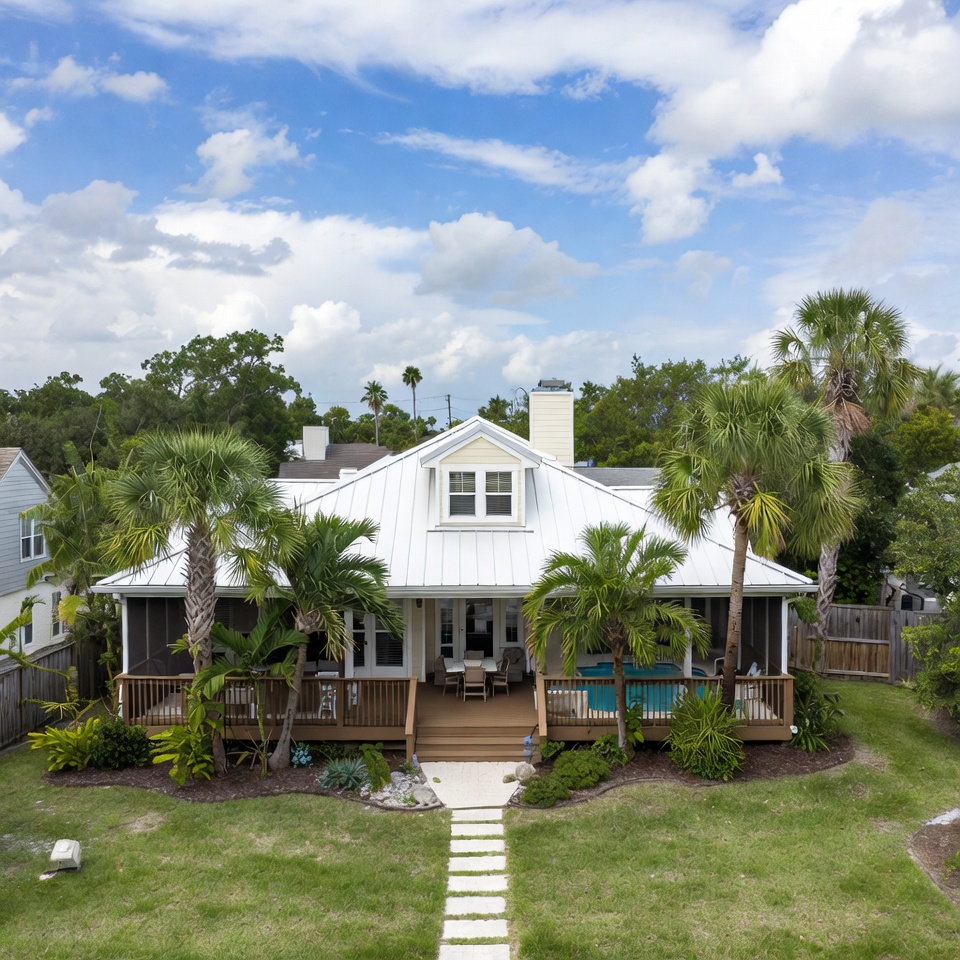
Buying a Vacation Home In Florida (2026): A Local Agent’s Guide
The Guide For Buying a Vacation Home in Florida (2026)
- Before you look at a single listing, decide whether you’re buying a place you’ll actually use, a pure rental, or some mix of both, because that one decision changes which market makes sense and which numbers matter.
- The sticker price is the easy part. Insurance, the property tax treatment on a second home, HOA or condo rules, and the cost of maintaining a house you’re not living in are what catch people off guard.
- A vacation home is not your homestead, so you don’t get the homestead exemption or the 3 percent Save Our Homes cap, and that affects your tax bill more than most buyers expect.
- The “best places to buy” lists you see online rank towns by short-term rental cap rate, which is the right answer for a nightly-rental operator and the wrong answer for most people who just want a Florida home they love.
- Quieter coastal markets like Vero Beach and the Treasure Coast tend to fit the lifestyle-plus-appreciation buyer better than the saturated theme-park rental markets, and they cost a lot less than Palm Beach or Naples.
Most articles about buying a vacation home in Florida are written by companies that want to sell you something. The mortgage sites want you to start a loan application. The property management companies rank towns by rental cap rate because they make money managing rentals. The big guides cover the Gulf Coast because that’s where their listings are.
I sell real estate here on the Treasure Coast, in and around Vero Beach. I’ve also bought and sold property on three continents, so I’ve made plenty of the mistakes I’m about to warn you about. This is the version I’d give you over coffee if you told me you were thinking about a place in Florida.
First, figure out which kind of buyer you actually are
This is the step almost everyone skips, and it’s the one that matters most. There are three kinds of vacation home buyers, and they want completely different properties in completely different places.
The personal-use buyer. You want a place for you, your family, and your friends. You’ll use it for a few weeks or a few months a year, and you don’t really care about rental income. For you, location, comfort, and the feel of the community matter more than cap rate.
The pure rental buyer. You want an income property that happens to be in Florida. You’ll rarely set foot in it. You care about occupancy, nightly rates, and net operating income, and you’re willing to run it like a small business.
The hybrid buyer. This is most people. You want a place you’ll use part of the year and rent the rest of the time to help cover the costs. This is a real strategy, but only if the property and the location actually allow it, which is where a lot of folks get tripped up.
Be honest about which one you are. The pure rental buyer should be looking at high-turnover markets near the theme parks. The personal-use and hybrid buyers usually want something different, and that’s the buyer I work with most.
The real cost of buying a vacation home in Florida
The purchase price is the number everyone fixates on. It’s also the number least likely to surprise you. Here’s what actually moves your monthly cost.
Insurance. Coastal Florida insurance has been the headline for a few years now. The market has been settling down in 2026, with new carriers writing policies again and some relief on the state-backed Citizens side, but a coastal second home still costs more to insure than an inland primary residence. Get real quotes before you write an offer, not after. On an older home, wind mitigation features and the roof age will swing your premium more than almost anything else.
Property taxes. This is the big one, and it gets its own section below because almost nobody explains it correctly.
HOA and condo fees. A lot of the most rentable Florida vacation properties sit inside associations, and the fees can run from a few hundred dollars a year to many thousands if there’s a golf course, beach club, or building maintenance involved. On condos especially, you need to look past the monthly fee and ask about reserves, recent special assessments, and any pending ones. Florida condo associations have been under real financial pressure since the statewide push for proper reserve funding, and a cheap-looking condo with an underfunded reserve can hand you a five-figure assessment a year after closing.
Carrying a house you don’t live in. Utilities, lawn care, pest control, a property manager or a trusted local to check on the place, and the cost of opening and closing it up between visits. None of these are huge on their own. Together they’re the difference between a place that feels like a gift and one that feels like a second job.
When I sit down with buyers, we build the whole number, not just the mortgage. A vacation home that pencils out at the purchase price and falls apart once you add carrying costs is the most common way people end up regretting an otherwise great house.
The property tax trap nobody warns you about
Here’s the part that catches even experienced buyers. Florida’s famous tax benefits, the homestead exemption and the 3 percent Save Our Homes cap that keeps longtime residents’ tax bills low, only apply to your permanent, primary residence.
A vacation home is not your homestead. That means three things:
- You don’t get the homestead exemption, so more of your home’s value is taxable.
- You don’t get the 3 percent annual cap on assessment increases. Non-homestead property has a 10 percent cap instead, which protects you in a runaway market but lets your assessed value climb much faster than a primary resident’s would.
- When you buy, the property gets reassessed at market value, so the low taxes the previous owner enjoyed do not carry over to you.
I’ve watched buyers pull up a listing, see the seller’s current tax bill, and assume that’s what they’ll pay. Then they get their first bill and it’s noticeably higher, because the seller had years of homestead protection that resets the moment the home changes hands and stops being a primary residence. Always estimate your taxes based on the purchase price and non-homestead treatment, not the seller’s old bill. I’m a real estate agent and not a tax advisor, so run the actual numbers with a Florida CPA or the county property appraiser’s office before you commit. It’s a quick conversation that saves a real surprise.
Where to actually buy (the honest version)
Search “best places to buy a vacation home in Florida” and you’ll find ranked lists topped by Kissimmee, Panama City Beach, and the Panhandle beach towns. Those rankings are built almost entirely on short-term rental cap rate. If you’re the pure rental buyer I described earlier, they’re useful.
For everyone else, those lists quietly steer you toward the wrong thing. The highest-cap-rate markets are nightly-rental factories. They work because thousands of investors are running the same play, and that’s also the risk. When a market is saturated with vacation rentals, getting your weeks booked at the rate you want gets harder, and too much rental supply can hold down the property values you were counting on appreciating. Saturation is one of the most underrated pitfalls in the whole category.
The quieter coastal markets are a different kind of buy. Vero Beach and the Treasure Coast don’t show up on the cap-rate lists, and that’s the point. This isn’t a nightly-rental town with a hotel on every corner. What we have instead is steady, year-round demand from snowbirds and seasonal residents, a barrier island that has kept its low-rise, low-density character on purpose, and prices that are a fraction of Palm Beach or Naples for comparable coastline. The median Vero Beach home sits in the low $400,000s in 2026, with more inventory and longer days on market than we’ve seen in years, which means buyers finally have some negotiating room.
For the personal-use and hybrid buyer, that combination is hard to beat: a place you’ll genuinely want to spend time in, that holds its value because supply is naturally constrained, in a market you can still get into without spending Palm Beach money. If you want the full picture on the area, taxes, insurance, and communities, I went deep on all of it in my complete guide to moving to Vero Beach.
If you want rental income, understand how it actually works here
Plenty of my buyers want to rent when they’re away. That’s smart, but the Vero Beach version of renting looks different from the Orlando version.
The money here isn’t in nightly turnover. Many of our condos and gated communities restrict short stays, and the local market simply isn’t built for a constant churn of weekend guests. The real opportunity is the seasonal lease: renting your place to a snowbird for the winter months at a strong monthly rate, then having it back for the rest of the year. One quality tenant for the season beats chasing fifty weekend bookings, and it’s far less wear on the house.
If you’re set on the short-term rental route somewhere in Florida, do the homework first. Renting for under 30 days at a time, more than three times a year, triggers a state vacation rental license through the DBPR, and on top of that you’ve got county rules, city rules, and HOA covenants, any one of which can shut down your plan. I wrote up how regular people actually make money renting out a property they own in my piece on generating Airbnb income, including the management piece most first-timers underestimate.
Buying from out of state without flying down six times
Most of my vacation home buyers don’t live in Florida yet. The good news is you don’t need to make six trips to do this right. The trick is having someone local who can be your eyes on the ground: walking properties on video, flagging the flood zone and insurance reality before you fall in love, lining up the right inspections, and handling the closing while you stay home.
A fair number of vacation home purchases here are cash, which changes the timeline and your negotiating position in a balanced market like this one. If that’s you, I broke down what cash buyers should know about offers, leverage, and closing speed in my guide for Vero Beach cash buyers.
The pitfalls worth avoiding
After enough of these transactions, the mistakes start to rhyme. Here are the ones I’d protect you from:
- Buying on emotion while you’re on vacation. You’re relaxed, the sunset is perfect, and suddenly you’re writing an offer. Sleep on it. The house will still be there, and so will three more like it.
- Skipping the inspections that matter in Florida. Beyond a standard inspection, budget for a four-point inspection, a wind mitigation report, and a flood elevation certificate. They’re cheap relative to what they protect you from, and the wind mit report can actually lower your insurance.
- Trusting the seller’s tax bill. Covered above. Estimate your own.
- Ignoring condo reserves and assessment history. A low price with a weak reserve is a future bill in disguise.
- Assuming rental income you haven’t verified. Pull real occupancy and rate data for the specific community, and subtract management, cleaning, and vacancy before you call it income.
- Buying into a saturated rental market because a list told you to. High cap rate today can mean stagnant value tomorrow.
Frequently asked questions
Is buying a vacation home in Florida a good investment?
It can be, but “investment” means different things. As a place that holds value and gives you years of use, a well-chosen Florida home in a supply-constrained market is a solid long-term hold. As a pure income play, it lives or dies on the rental numbers, so verify those before you buy rather than after.
How much do I need to put down on a vacation home?
Lenders treat second homes differently than primary residences. Plan on roughly 10 to 20 percent down with a solid credit score, and expect a slightly higher rate than you’d get on a primary home. Many Florida vacation home purchases are cash, which removes the financing question entirely.
Do I get the Florida homestead exemption on a vacation home?
No. The homestead exemption and the 3 percent Save Our Homes cap apply only to your permanent residence. A second home is taxed as non-homestead property, with a 10 percent assessment cap and no exemption.
Can I rent out my Florida vacation home?
Usually, but the rules depend on three layers: state licensing for short stays, local ordinances, and your HOA or condo covenants. In Vero Beach, seasonal winter leases tend to make more sense than nightly rentals.
What’s the cheapest part of Florida to buy a vacation home?
The lowest entry prices are typically inland and in the central theme-park rental markets. The trade-off is heavy rental competition. For coastal value without Palm Beach or Naples pricing, the Treasure Coast is one of the better-kept secrets in the state.
Thinking about buying vacation home in Florida on the Treasure Coast?
If you’ve gotten this far, you’re past the daydreaming stage and into the real questions. That’s exactly where a local agent earns their keep. I can pull the actual numbers on any property you’re eyeing, give you the honest read on the community and its rental rules, and handle the whole thing if you’re buying from out of state.
Reach out through my contact page or start at the homepage to see how I work. No pressure, no hard sell. Just a straight answer to whether the place you’re looking at is the right one.


Leave a Reply
Want to join the discussion?Feel free to contribute!