
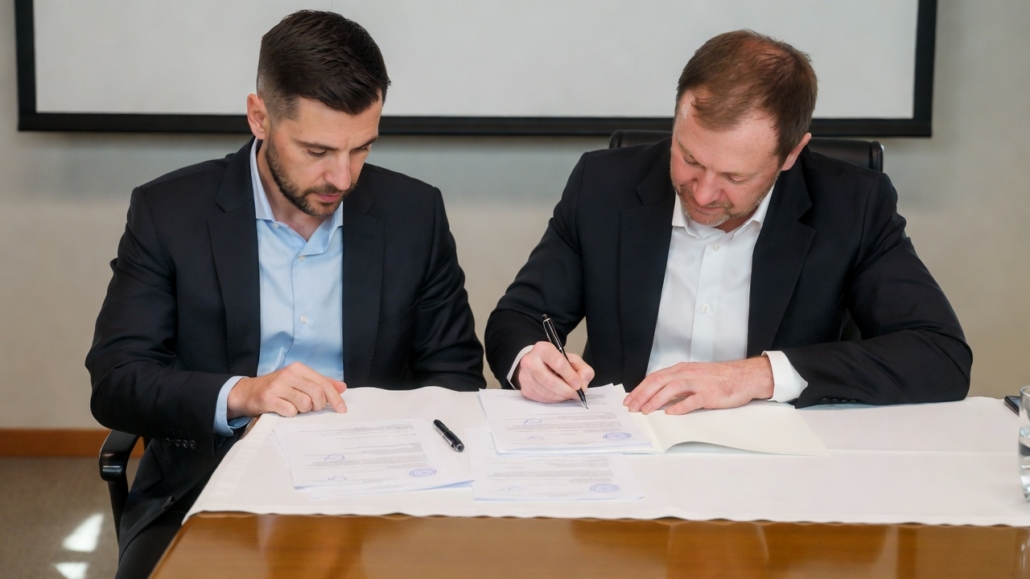
Who Pays For Closing Costs In Florida?
Who Pays for Closing Costs in Florida? A Clear Breakdown
- Both sides pay closing costs in Florida. Buyers typically cover lender fees, appraisal, inspections, and taxes tied to their mortgage, while sellers typically cover the documentary stamp tax on the deed, prorated property taxes, and their agent’s commission.
- Who pays for the owner’s title insurance policy depends on county custom. In Miami-Dade and Broward the buyer usually pays. In most of the rest of Florida, including Indian River County, the seller usually pays.
- Almost every closing cost is negotiable. The contract, not custom, is what actually decides who pays what, and seller concessions toward buyer costs are common right now.
- As a rough budget, buyers should plan for 2 to 5 percent of the purchase price on top of their down payment. Sellers should plan for 6 to 9 percent of the sale price once commission is included.
Here is the short answer nobody gives you: in Florida, both the buyer and the seller pay closing costs, just different ones. The buyer pays the costs of getting a mortgage and protecting the lender. The seller pays the costs of transferring the property and getting it sold. And a surprising number of the line items in between can land on either side, depending on what the contract says.
I write purchase contracts for buyers and sellers here in Vero Beach every week, so let me walk you through who actually pays for what, where the customs come from, and where you have room to negotiate.
What buyers typically pay in Florida
If you are financing your purchase, most of your closing costs come from your lender and the state taxes attached to your loan:
- Loan origination and underwriting fees. What your lender charges to make the loan. Usually 0.5 to 1 percent of the loan amount, and worth shopping. Getting quotes from three lenders is the single easiest way to cut your closing costs.
- Appraisal. Your lender requires it, you pay for it. Typically $400 to $700 in our market.
- Inspections. Home inspection, plus the four-point and wind mitigation inspections your insurance company will want on many Florida homes. Budget $400 to $800 total depending on the property.
- Documentary stamp tax on the mortgage. Florida taxes your loan at $0.35 per $100 borrowed. On a $300,000 mortgage, that is $1,050.
- Intangible tax on the mortgage. Another Florida-specific one: 0.2 percent of the loan amount. That same $300,000 mortgage adds another $600.
- Lender’s title insurance. Protects the bank, paid by the buyer in nearly every transaction.
- Prepaids and escrow. Your first year of homeowners insurance, plus a few months of property taxes and insurance to seed your escrow account. In Florida, insurance is often the biggest surprise on this list, so get your insurance quote early.
- Recording fees on the deed and mortgage. Small, usually under $100 combined.
Add it up and a financed buyer should budget roughly 2 to 5 percent of the purchase price beyond the down payment. Cash buyers pay far less because everything lender-related disappears, which is one reason cash closes so cleanly here. Roughly 6 out of 10 purchases in Indian River County are cash, and I wrote about what that means for you in my post on Vero Beach cash buyers.
What sellers typically pay in Florida
Seller costs are fewer in number but bigger in size:
- Real estate commission. Still the largest line item for most sellers. Since the NAR settlement changed the rules in 2024, commission is negotiated in two places: what you pay your listing agent, and whether you agree to cover some or all of the buyer’s agent compensation. Many sellers still offer it because it widens the buyer pool, but it is a negotiation, not a default.
- Documentary stamp tax on the deed. Florida charges $0.70 per $100 of the sale price in every county except Miami-Dade. On a $400,000 sale, that is $2,800, and by custom the seller pays it.
- Owner’s title insurance and title search. By custom in most Florida counties, including Indian River, the seller pays for the owner’s policy and picks the closing agent. More on the exceptions below.
- Prorated property taxes. Florida property taxes are paid in arrears, so at closing you credit the buyer for the portion of the year you owned the home. Close in November and that credit covers most of the year. Close in February and it barely registers.
- Estoppel fees. If the home is in an HOA or condo association, the association charges a fee to certify your account is current.
- Payoff and small transfer costs. Mortgage payoff, deed prep, courier and settlement fees.
All in, most Florida sellers net out somewhere between 6 and 9 percent of the sale price in closing costs once commission is included. If you want to see what a sale would actually net you before you commit to anything, that is exactly the math I run for sellers through my Cash Offer Program: a real cash number next to a realistic open-market number, side by side.
The title insurance question: it depends on your county
This is the part of Florida closing costs that genuinely confuses people, because the answer changes as you drive down I-95.
Who pays for the owner’s title insurance policy is set by local custom, not by law. In Miami-Dade and Broward counties, the buyer customarily pays for the owner’s policy and chooses the closing agent. In most of the rest of the state, including here in Indian River County, the seller customarily pays and chooses.
But here is what actually matters: custom is just the default. Paragraph 9 of the Florida Realtors/Florida Bar contract has checkboxes that assign title insurance and the closing agent to one side or the other, and whatever gets checked is what governs. I have written contracts that flipped the local custom because it made the deal work. If your agent cannot explain which box is checked on your contract and why, ask harder questions.
Almost everything is negotiable
The taxes are fixed. The state does not haggle. But nearly everything else on the settlement statement is fair game, and the current market gives buyers more leverage than they have had in years.
The most common moves I see and use:
- Seller concessions. The buyer asks the seller to credit a set dollar amount toward closing costs. FHA allows up to 6 percent of the price, conventional loans allow 3 to 9 percent depending on the down payment. In a slower market, this is often an easier ask than a price cut of the same size, and I cover how to structure the whole offer in my Reasonable Offer Chart.
- Lender credits. Take a slightly higher rate, and the lender covers part of your closing costs. Useful if you are cash-tight now and expect to refinance later.
- Shopping title and lender fees. You are not required to use anyone’s preferred vendor. Title fees and lender junk fees vary more than people expect.
- Timing your closing. Closing late in the month trims prepaid interest for buyers. For sellers, closing late in the year means a bigger property tax credit to the buyer, so the calendar cuts both ways.
A quick example with real numbers
Take a $400,000 home in Vero Beach with a buyer putting 10 percent down.
The buyer’s side: roughly $1,260 in doc stamps on the $360,000 mortgage, $720 in intangible tax, $2,000 to $4,000 in lender fees, $500 in appraisal, $600 in inspections, plus prepaid insurance and escrow. Call it $9,000 to $14,000 depending on the insurance quote.
The seller’s side: $2,800 in doc stamps on the deed, roughly $2,000 for the owner’s title policy and search, prorated taxes depending on the closing date, an estoppel fee if there is an HOA, plus whatever commission was negotiated. On a typical deal, $25,000 to $32,000 all in.
Those numbers move with every contract, which is the whole point. The settlement statement is not a bill that arrives. It is the output of a negotiation, and you want someone negotiating it who knows which lines can move.
Buying or selling in Vero Beach?
I’m Jon Sterling, a licensed Florida real estate agent with The Real Brokerage, and I walk buyers and sellers through these numbers before they ever sign anything, so closing day is boring instead of shocking. If you are buying here, start with my complete Vero Beach relocation guide. If you are selling, or just want to know what your net would look like, get in touch and I will run your numbers line by line.
Related reading


Leave a Reply
Want to join the discussion?Feel free to contribute!