
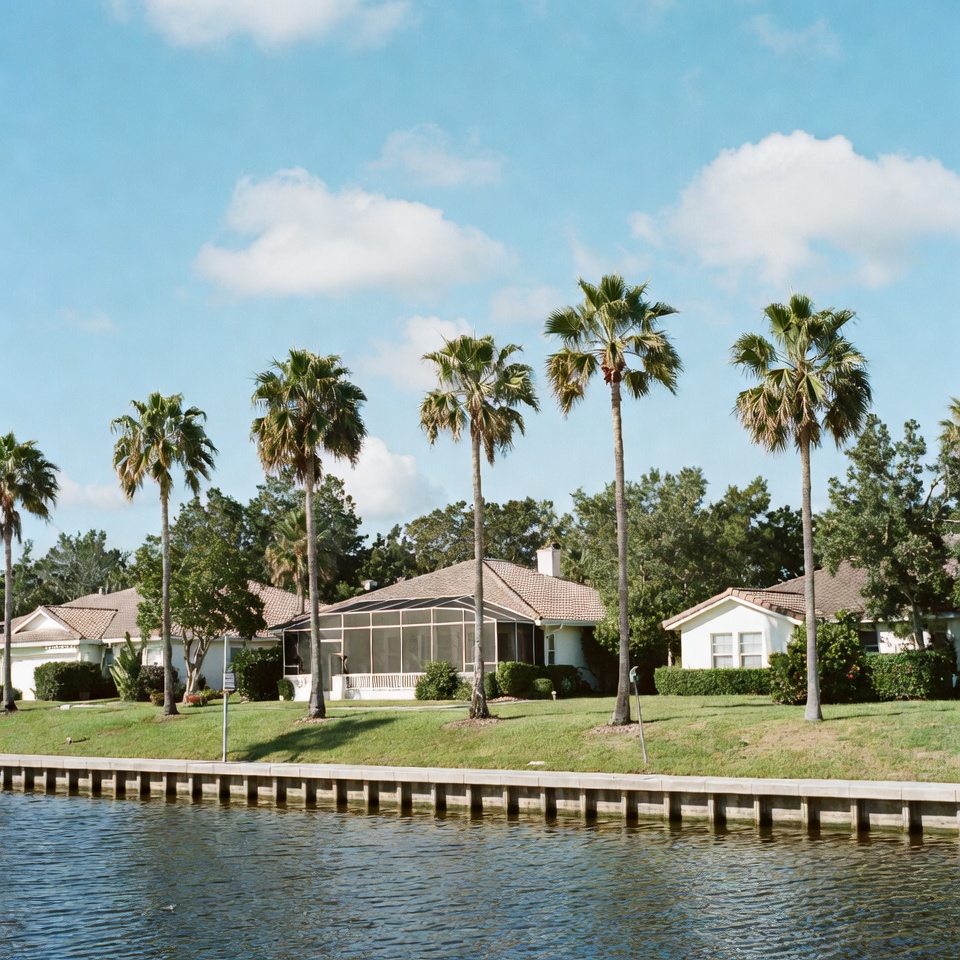
Vero Beach vs. Port St. Lucie: Which Town Fits You?
Vero Beach vs. Port St. Lucie is a common question
- Vero Beach and Port St. Lucie sit about 25 to 30 miles apart on the Treasure Coast, roughly a 40 minute drive, but they feel like two different decisions.
- Port St. Lucie is one of Florida’s largest cities, sprawling, master-planned, and more affordable, with most homes inland and the ocean a drive away.
- Vero Beach is small and slower, with barrier island beaches you can actually live on, an arts and dining scene punching above its size, and higher price tags near the water.
- Pick Port St. Lucie if you want newer construction, more house for the money, and big-city conveniences. Pick Vero Beach if you want walkable charm, the beach as part of daily life, and a tighter community.
If you’re shopping the Treasure Coast, these two towns end up on almost everyone’s short list, and they get compared constantly. They’re close enough to be neighbors and different enough that picking the wrong one means a few years of “this isn’t quite what I pictured.” I sell here, I live here, and I help people sort this exact question out, so here’s the straight version.
Vero Beach vs. Port St. Lucie: How close are they, really?
About 25 to 30 miles separate the two, depending on where you measure from, and the drive runs roughly 40 minutes on I-95 or Florida’s Turnpike. Fort Pierce sits between them as the rough halfway point.
That closeness matters more than people expect. You can live in one and use the other. Plenty of Vero residents drive south for the bigger-box shopping and chain restaurants in Port St. Lucie, and plenty of Port St. Lucie folks come north to Vero for the beaches and the downtown. Whichever you choose, you’re not cut off from the other.
Size and pace: small town vs. big city
This is the first real fork in the road.
Port St. Lucie is genuinely a city. It’s the sixth-most populous in Florida, well over 200,000 people and still growing fast. It was built largely as a planned development, so it spreads out across master-planned communities like Tradition, St. Lucie West, and the PGA Village area. You get the upside of a city, more stores, more restaurants, more medical options, more new construction, and the downside, more traffic, more sprawl, and a layout where you drive for most things.
Vero Beach is the opposite end of the dial. The city itself is around 16,000 people, sitting inside Indian River County. The pace is slower, the streets are quieter, and the character leans local. You’ll find independent boutiques and restaurants, the Vero Beach Museum of Art, Riverside Theatre, and McKee Botanical Garden, all in a town you can get your arms around. Some people find that intimate and charming. Others find it too quiet. Both reactions are fair.
If you want energy and options, Port St. Lucie delivers. If you want calm and community, Vero wins. Neither is “better.” They’re built for different people.
The beach question (this one trips people up)
Here’s the detail that surprises a lot of buyers: Port St. Lucie is mostly inland. It grew up along the St. Lucie River, not the ocean. To get to the beach from most of Port St. Lucie, you’re driving over to Hutchinson Island near Jensen Beach or Fort Pierce. It’s doable, but it’s a trip, not a stroll.
Vero Beach is built around its barrier island. The beach is part of daily life here, not a weekend outing. You can live a few minutes from the sand, walk to it, and watch sunrises that aren’t shared with a crowd because Vero’s beaches stay refreshingly uncrowded.
So if “I want to live near the ocean” is high on your list, that single fact does a lot of the deciding for you. If you’re more focused on the house, the yard, and the value, the inland tradeoff in Port St. Lucie is an easy one to make.
Home prices and what you get for the money
Money usually settles the tie.
Port St. Lucie runs more affordable on the whole, with a median property value recently in the mid-$300,000s and a lot of newer construction to choose from. If you want a modern home with an open floor plan, a two-car garage, and a community pool, your dollar stretches further here. The master-planned neighborhoods make it easy to find that kind of turnkey, newer build. If new construction is your thing specifically, it’s worth understanding how it works in this market, and I broke that down in my guide to Vero Beach new home builders.
Vero Beach is a wider range. You’ve got attainable mainland neighborhoods, and then you’ve got the barrier island and gated golf communities where prices climb quickly, especially anywhere near the water. So Vero can be more expensive, but it depends heavily on which Vero you’re shopping. There’s real variety in the Vero Beach communities, from quiet inland subdivisions to oceanfront estates, and the right one for you depends on your budget and what you actually want out of the day.
The honest summary: for the same money, you’ll generally get a newer, larger home in Port St. Lucie, and a more established, location-driven home in Vero Beach.
Lifestyle, dining, and things to do
Port St. Lucie covers the practical bases well. You’ve got the chains, the big retail, MLB spring training at Clover Park, and the PGA Village golf scene. It’s a comfortable, family-friendly suburban setup where the conveniences are close.
Vero leans local and cultural. The downtown and Ocean Drive areas are walkable, the restaurant scene is independent and surprisingly good for a town this size, and the arts calendar stays busy year-round. It’s the kind of place where you recognize people. If you want a feel for that side of Vero, my local burger roundup is a decent starting point for the dining personality here.
Who each town is actually for
After enough of these conversations, the pattern is pretty clear.
Port St. Lucie is the better fit if you want maximum house for the budget, prefer newer construction, like having big-city conveniences close, don’t mind driving to the beach, and want a larger, busier place to put down roots.
Vero Beach is the better fit if you want the beach woven into daily life, prefer a small, walkable, community-feel town, value the arts and independent dining, and are comfortable paying a bit more for location and character.
A lot of my clients arrive from busier parts of the state and want to slow down, which is the same instinct I see from folks moving to Vero Beach from Miami. If that’s you, Vero usually lands. If you’re optimizing for space and value and you’re fine with a more spread-out, suburban rhythm, Port St. Lucie earns its spot.
My take on Vero Beach vs. Port St. Lucie
I’m partial to Vero, and I’ll own that, but it’s not the right call for everyone, and I’d rather you land somewhere that actually fits than oversell my own backyard. Port St. Lucie is a genuinely good value play with a lot to offer. The deciding factors usually come down to three things: how close you want to be to the ocean, how much town you want around you, and what your budget buys in each place.
If you want help walking through those tradeoffs with someone who works both ends of this stretch of coast, get in touch. Tell me what you’re after and I’ll give you the unfiltered version, including the times I think Port St. Lucie is the smarter move. You can also learn more about how I work over on the homepage.


Leave a Reply
Want to join the discussion?Feel free to contribute!