
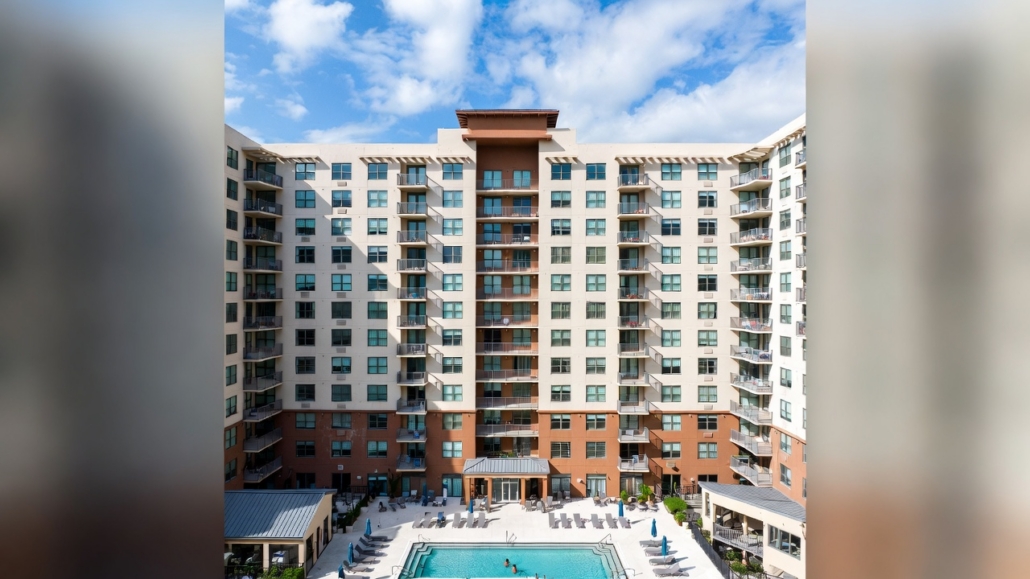
Buying A Condo In Florida
Buying a Condo in Florida: What Matters Now
- Florida condos are in a full buyer’s market right now, with statewide supply over a year’s worth of inventory and prices down meaningfully from their peak, which gives you real negotiating leverage if you know how to use it.
- The building matters more than the unit. Milestone inspections and fully funded reserves became mandatory, and the difference between a compliant building and a non-compliant one can be a six-figure special assessment.
- Your real monthly cost is mortgage plus HOA fees plus insurance plus taxes, and in Florida the fees and insurance can rival the mortgage itself, so shop by total payment, not list price.
- Before you write an offer, get the milestone inspection report, the Structural Integrity Reserve Study, the budget, and a year of board minutes. If the association won’t hand them over quickly, walk.
- Financing is the hidden deal killer. Some buildings can’t get conventional loans at all, so confirm the building’s lending status before you fall in love with a unit.
If you searched “buying a condo in Florida,” most of what you’ll find was written for a market that no longer exists. The generic advice about pools and no yard work is still true, but it skips the thing that has completely reshaped Florida condo buying since 2021: the state rewrote its condo safety laws after the Surfside collapse, the grace period is over, and the bills are now landing on owners.
I’m a licensed Florida real estate agent with The Real Brokerage in Vero Beach, and I walk buyers through condo purchases here on the Treasure Coast regularly. Here’s the honest version of what buying a Florida condo looks like in 2026, including the parts most brokerage blogs soften because they’d rather not scare you.
The current Florida condo market is a buyer’s market. Act like it.
Start with the good news. If you’ve wanted a Florida condo for years and got priced out during the 2021 to 2022 frenzy, this is the most leverage buyers have had in a decade.
Condo inventory statewide has ballooned to roughly 13 months of supply, with prices down about 6% year over year and the vast majority of major Florida condo markets declining. Median condo listing prices in the first half of 2025 were down more than 10% compared to the same period in 2023, and the correction has continued into 2026. Sellers in older buildings are especially motivated, because every month they hold the unit, they’re paying fees that keep climbing.
What that means for you in practice:
- You can take your time. Tour multiple buildings, order documents, get insurance quotes, and think. Nobody is going to snatch the unit out from under you in most Florida condo markets right now.
- You can negotiate hard. Price reductions, seller credits, and sellers paying off pending special assessments at closing are all on the table. If a known assessment is coming, that number belongs in your offer math. My reasonable offer chart walks through how I think about offer strength in different market conditions.
- You can be picky about the building. With this much inventory, there is zero reason to compromise on association health.
One caution: cheap is not the same as a deal. The steepest discounts in Florida right now are concentrated in older buildings with unresolved inspection findings and underfunded reserves. Some of those units are priced low because the market has correctly figured out that a $100,000 assessment is coming. That’s not a bargain. That’s a bill with a lobby.
The law that changed everything: milestone inspections and reserves
Here’s the section the competitor posts bury, and it’s the single most important thing to understand before buying a condo in Florida.
After the Champlain Towers South collapse in Surfside, Florida passed sweeping condo safety legislation. The short version of where things stand now:
- Milestone inspections are mandatory. Condo buildings three stories or taller that are 30 years old (25 if near the coast) must pass a milestone structural inspection by a licensed engineer. Most deadlines have already passed, so a building that hasn’t done its inspection is non-compliant, and you have no visibility into its structural condition.
- Reserves can no longer be waived. For decades, condo boards kept monthly fees artificially low by voting to skip saving for big repairs. That’s over. Associations can no longer waive reserves for structural components like the roof, load-bearing walls, plumbing, electrical, and waterproofing, and full reserve funding requirements take effect January 1, 2026.
- The bills are real. Roughly 40% of Florida condo owners have faced a special assessment in the last three years, and in the worst cases at older South Florida buildings, assessments have run from $134,000 to as much as $400,000 per unit.
Those headline numbers come from aging high-rises in Miami, not from typical Treasure Coast buildings. But the principle applies everywhere: the era of artificially cheap condo fees is finished, and every building is now somewhere on a spectrum between “did the work years ago and is fine” and “kicked the can for 40 years and the can just kicked back.”
Your entire job as a buyer is figuring out where a building sits on that spectrum before you close, not after.
What a Florida condo actually costs per month
Forget the list price for a minute. In Florida, the monthly carry is where condo deals live or die. Your real payment is four numbers stacked together:
Mortgage. Standard. Whatever your rate and loan amount produce.
HOA fees. In Florida these commonly run from a few hundred dollars a month in modest inland buildings to well over $1,000 in oceanfront buildings with elevators, pools, and big insurance bills. When you compare units, compare what the fee covers. A $900 fee that includes building insurance, cable, water, and reserves can be a better deal than a $500 fee that covers almost nothing.
Insurance. You need an HO-6 policy covering your unit’s interior and contents even though the association insures the building. The association’s master policy premium is also baked into your HOA fee, and master policy premiums have tripled or quadrupled at some Florida buildings in recent years, with those costs passed straight through to owners.
Taxes. Florida has no state income tax, which is a big part of why people move here, but property taxes on your condo are real and should be in your monthly math from day one.
When I run numbers with buyers, we start with the total monthly payment they’re comfortable with and work backwards to a price range. That’s the opposite of how most people shop, and it’s why most people get surprised. I broke down the rent-versus-own version of this math in my post on buying vs. renting a condo, which is worth reading alongside this one if you’re still deciding whether to buy at all.
The document checklist: how to vet a building before you offer
This is the part that separates a sound purchase from an expensive mistake, and it’s shockingly easy to do. Florida law gives condo buyers the right to review association documents, and a healthy association will hand them over without drama. Before you get serious about any unit, get these:
The milestone inspection report. Has the building completed it? What did it find? If a Phase 2 inspection was triggered, that means the engineer found something worth a closer look, and you want the full report plus the repair plan and timeline.
The Structural Integrity Reserve Study (SIRS). This tells you what the big components (roof, waterproofing, plumbing, electrical) will cost to replace and whether the association is actually saving for them. A current SIRS with a funded plan is the single best signal of a healthy building.
The budget and financials. Look at the reserve balance versus what the SIRS says it should be. A big gap means future fee increases or assessments.
Twelve months of board meeting minutes. This is where the truth lives. Boards discuss looming repairs, insurance renewals, and assessment votes in minutes long before anything becomes official. If the minutes mention an engineer’s proposal for concrete restoration, believe the minutes, not the listing agent.
The rules, rental policy, and pet policy. Boring until it isn’t. Minimum lease terms, board approval requirements, and pet limits vary wildly between buildings, and they affect both your lifestyle and your resale pool.
Any pending or approved special assessments. Then negotiate who pays. Sellers can pay assessments off at closing, and in this market, motivated sellers often will.
If an association stalls, gets defensive, or can’t produce these documents, that tells you everything. Walk.
The financing trap nobody warns you about
Here’s a 2026 reality that the older blog posts miss entirely: some Florida condo buildings can’t get conventional financing at all.
After Surfside, Fannie Mae and Freddie Mac started keeping restricted lists of condo buildings with unresolved structural issues, underfunded reserves, or significant pending special assessments, and a building on those lists is a major financing problem. If the building you want is restricted, your lender options shrink to portfolio loans with worse terms, or cash.
This cuts both ways. It’s a risk if you’re financing, so confirm the building’s lending status with your lender before you write an offer, not during the loan process. But it’s also a resale consideration even if you’re paying cash: a building that most buyers can’t finance has a smaller buyer pool when it’s your turn to sell.
Beyond the restricted list, condo loans generally come with extra underwriting: lenders look at owner-occupancy ratios, reserve funding, litigation, and insurance adequacy. Work with a lender who does Florida condo loans regularly. This is not the place for a generalist.
Where the condo math works on the Treasure Coast
Everything above applies statewide. Here’s my local read.
Vero Beach and the Treasure Coast sit in a sweet spot for condo buyers: we have genuine oceanfront and near-ocean condo stock at prices that would be laughable in Naples or Miami, and much of our inventory is in low-rise and mid-rise buildings rather than aging high-rise towers, which changes the inspection and reserve picture considerably.
You can still find well-located barrier island condos here in the $200s and $300s, with direct oceanfront units in established buildings often trading for less than an inland tract house costs in South Florida. I wrote a full breakdown of one of those communities in my Ocean Club Vero Beach guide, which is a good case study in how co-op versus condo structure, building age, and financing rules all interact in a real building.
If you’re earlier in the process and still figuring out where in Vero Beach fits you, start with my Vero Beach communities guide, and if you’re relocating from out of state, the complete Vero Beach relocation guide covers taxes, insurance, neighborhoods, and the honest tradeoffs of moving here.
So should you buy a condo in Florida in 2026?
Yes, if three things are true:
- The total monthly payment works, including fees and insurance at their current levels plus room for increases, because fees are not going down.
- The building checks out on paper. Completed milestone inspection, current SIRS, funded reserves, clean minutes, financeable status.
- You’re buying for at least a several-year hold. The condo market correction is still working through the system, and analysts expect the sector to stay soft before finding firmer footing toward late 2026. Buy the right building at today’s negotiated price and time takes care of you. Buy hoping to flip in a year and you’re gambling. TD
The buyers getting hurt in Florida right now are the ones who shopped on list price and skipped the documents. The buyers doing well are the ones treating the building like the investment it is, using the leverage this market hands them, and negotiating assessments and price accordingly.
Want a local guide through it?
I help buyers vet condo buildings across Vero Beach and the Treasure Coast, including pulling and reading the association documents most buyers never see until it’s too late. If you’re thinking about buying a condo in Florida, reach out here and I’ll give you a straight answer on any building you’re considering, including the ones I’d tell you to avoid.
Related reading


Leave a Reply
Want to join the discussion?Feel free to contribute!