
Overview
- The best part of Florida to live depends entirely on who you are, because Florida’s regions differ so much in culture, climate, price, and pace that picking the wrong one is the most common relocation mistake I see.
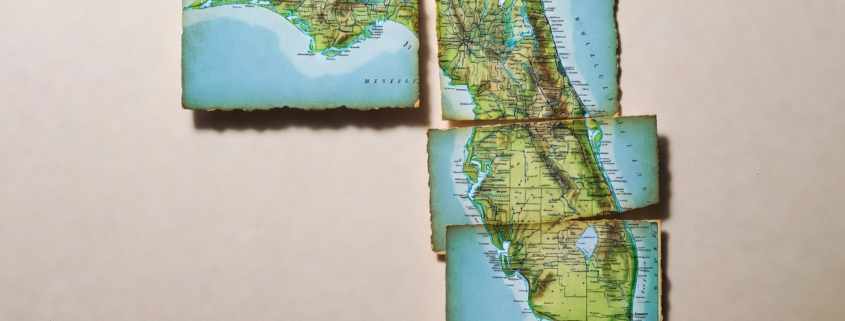
- The rough map: the Panhandle is the South, North Florida has actual seasons, Central Florida is theme parks and affordability, the Gulf Coast is sunsets and Midwesterners, the Treasure Coast is quiet coastal living, South Florida is the big-city version of the state, and the Keys are their own country.
- There’s a real migration pattern behind it. Northeasterners tend to land on the east coast, Midwesterners on the west coast, and Southerners in the Panhandle. It shapes the personality of every region.
- Price, insurance, and hurricane exposure vary as much as the culture does. A budget that gets you a condo in Miami buys a pool home on the Treasure Coast.
- I’m an expert real estate agent in Vero Beach on the Treasure Coast, and I’ll tell you plainly which buyers fit my area and which ones should be looking somewhere else.
I’ve sold real estate on three continents and I’ve lived and worked all over this state, including running 35 real estate offices across South Florida.
The question I get most from out-of-state buyers is some version of “what’s the best part of Florida to live?” It’s a fair question, and almost everyone who asks it is surprised by my answer: there isn’t one best part, but there’s absolutely a best part for you. Florida is enormous. Pensacola is closer to Houston than it is to Miami. Treating the state as one market is like treating “the Northeast” as one market.
So here’s the tour I give buyers, region by region, with the personality of each area and the real estate reality that goes with it. By the end, you’ll know which part of the state belongs on your shortlist.
The Panhandle: Florida’s Deep South
The Panhandle runs from Pensacola through Destin and Panama City over to Tallahassee. Locals joke that it’s “Lower Alabama,” and they’re not wrong. This is the most Southern part of Florida in every sense: the accents, the food, the church-on-Sunday culture, the college football obsession.
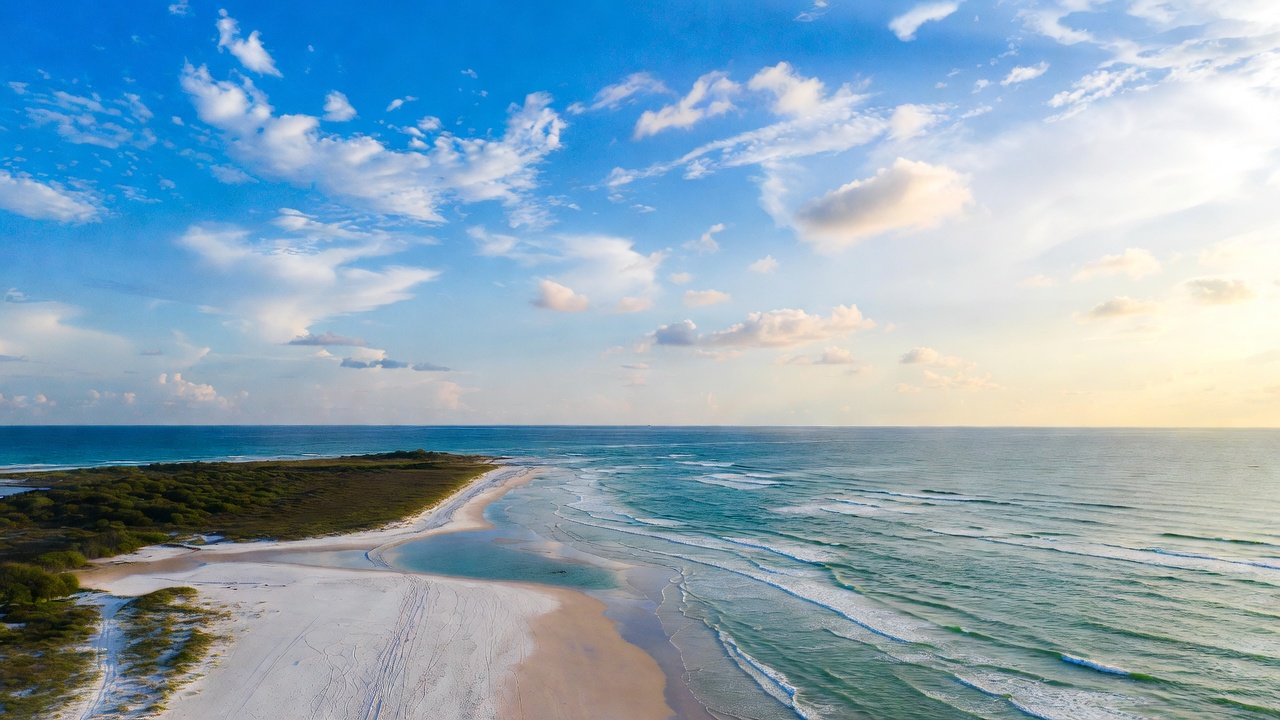
What it has that nowhere else in the state can match is the sand. The beaches along the Emerald Coast are sugar-white quartz, and the Gulf water there is the postcard. The 30A corridor (Seaside, Rosemary Beach, Alys Beach) is a planned-community luxury market with prices that compete with anything in South Florida, sitting twenty minutes from very affordable inland towns.
Who fits here: Buyers from Georgia, Alabama, Tennessee, and Texas who want drivable beach access. Military families (Pensacola and Eglin are huge employers). Vacation rental investors chasing the 30A and Destin short-term rental market.
The real estate reality: Outside of 30A and the beachfront, this is some of the most affordable coastal living in Florida. The tradeoff is that winters actually get cold by Florida standards, with frosts and the occasional hard freeze. Snowbirds who came to escape winter usually find the Panhandle didn’t fully deliver.
North Florida: The Part With Seasons
North Florida covers Jacksonville, St. Augustine, Amelia Island, Gainesville, and the Ocala horse country. This is the region most people forget exists, and the people who live there prefer it that way.
The personality is old Florida mixed with the coastal South. St. Augustine is the oldest city in the country and feels like it. Ocala is world-class equestrian land, rolling hills and live oaks that look more like Kentucky than the Florida in your head. Jacksonville is a genuinely big city with a real economy (finance, logistics, healthcare) that nobody outside Florida thinks about.
Who fits here: Buyers who want Florida tax benefits but miss having a fall. Horse people. Working professionals who need a real job market. Buyers priced out of the southern half of the state.
The real estate reality: Strong value. Jacksonville’s median prices run well below the coastal markets further south, and your insurance picture is friendlier too, since the region takes fewer direct hurricane hits than the peninsula. The tradeoff is that January mornings in the 30s are normal.
Central Florida: Theme Parks, Suburbs, and The Villages
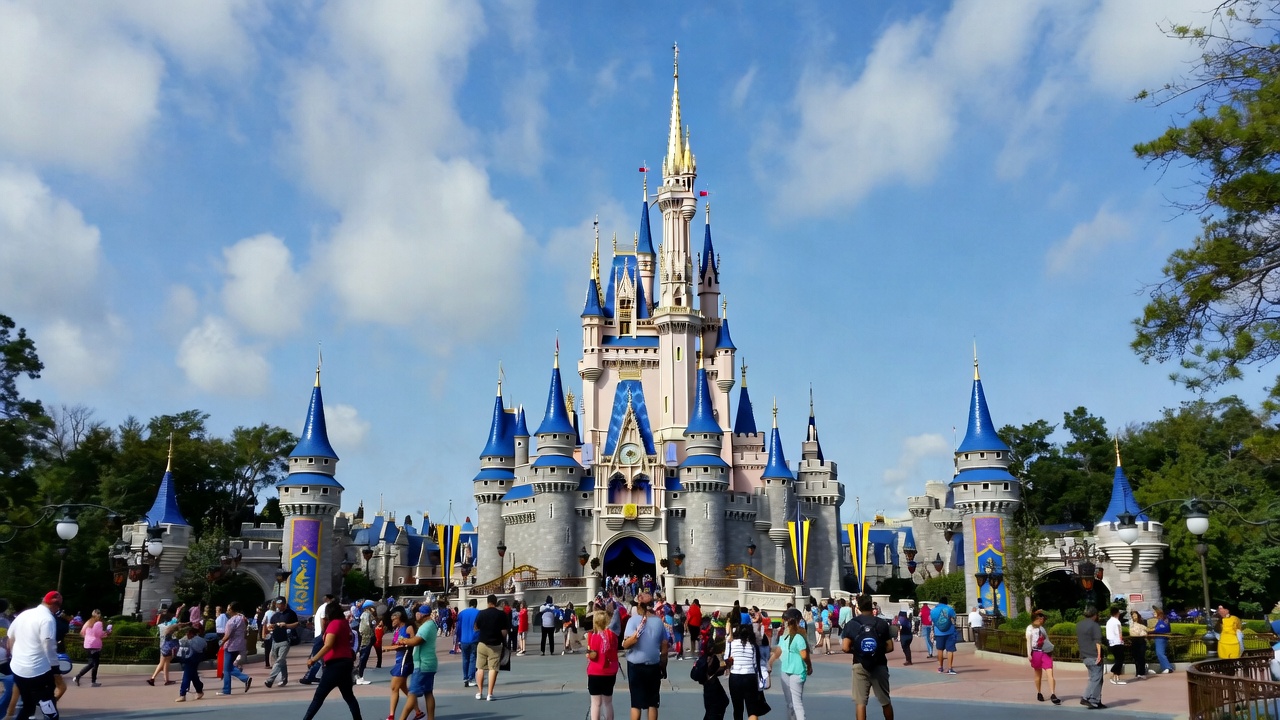
Orlando anchors this region, with Lakeland, Kissimmee, Clermont, and the sprawling retirement universe of The Villages around it. This is inland Florida, which means no coastal insurance premiums and no beach.
The personality is newer, faster-growing, and more transient than anywhere else in the state. Central Florida is where the master-planned communities multiply, where half your neighbors arrived in the last five years, and where the economy runs on tourism, healthcare, and construction. The Villages is its own phenomenon: a retirement city of 150,000-plus people built around golf carts and an activities calendar that would exhaust a college student.
Who fits here: Families who want newer construction and good value. Theme park superfans (they exist and they buy houses). Retirees who prioritize community and amenities over water. Short-term rental investors near the parks.
The real estate reality: Some of the best price-per-square-foot in the state, and you’re an hour to 90 minutes from either coast. What you give up is the coastal lifestyle itself. I’ve met plenty of buyers who moved to the Orlando suburbs for the price, then called me two years later because they realized they moved to Florida for the water and never see it.
The Gulf Coast: Sunsets and Midwesterners
The west coast of the peninsula runs from Tampa Bay down through Sarasota, Fort Myers, and Naples. Here’s the migration pattern I mentioned: I-75 comes down from the Midwest, and the Gulf Coast is full of license plates from Ohio, Michigan, Indiana, and Illinois. The east coast gets the Northeast, the west coast gets the Midwest, and the cultural difference is real. The Gulf side is a little slower, a little more polite, a little earlier to dinner.
Tampa and St. Pete are the exception: a legitimately booming metro with a young population, a real job market, and a downtown scene. South of there, the personality shifts to beach-town retirement living, ending at Naples, which is the Gulf Coast’s luxury capital and one of the wealthiest towns in America.
Who fits here: Midwesterners, almost by gravity. Sunset people (the Gulf gives you sunset over the water every night). Retirees who want calm, warm, swimmable water. Tampa works for younger buyers who need a city.
The real estate reality: Naples and Sarasota beachfront are expensive and stay expensive. Fort Myers and Cape Coral offer canal-front living at prices the east coast can’t touch. The honest caveat: this coast has taken the hardest hurricane hits of the last few years (Ian, Helene, Milton), and insurance and flood-zone questions need to be part of any purchase conversation there.
The Treasure Coast: The Quiet Middle of the East Coast
Now we’re in my backyard. The Treasure Coast runs from Sebastian through Vero Beach, Fort Pierce, Port St. Lucie, and Stuart. It sits in the gap most out-of-state buyers skip right over: south of the Space Coast, north of Palm Beach County, and deliberately quieter than both.
The personality here is small-town coastal Florida that never got paved over. Vero Beach has 26 miles of uncrowded beach, a real downtown, an arts scene that punches way above its weight, and zoning that kept the high-rises out. People here chose this area on purpose, usually after looking at South Florida and deciding they wanted the ocean without the crowds, the traffic, or the price tag. For a lot of the buyers I work with, this turns out to be the best part of Florida to live precisely because they’d never heard of it before they started looking.
Who fits here: Northeasterners following the I-95 corridor who find South Florida too much. Snowbirds who want a real community instead of a tower full of other snowbirds. Buyers who want barrier island living at non-Palm-Beach prices. Families and retirees who rank quiet above nightlife.
The real estate reality: The median home price in Vero Beach sits around $400,000, far below coastal markets both north and south of comparable quality. The island-versus-mainland split matters a lot here, and it’s the first conversation I have with every buyer. If you’re considering the area, start with my complete guide to moving to Vero Beach, and if you’re coming from the Northeast specifically, I wrote a guide for New Yorkers making the move that covers the tax and lifestyle math.
South Florida: The Big Leagues
Miami, Fort Lauderdale, and Palm Beach County make up the Gold Coast, and this is the Florida that the rest of the world pictures. It’s also the least “Florida” part of Florida. South Florida is an international metro of six-million-plus people that happens to sit on great beaches. The personality is fast, global, status-conscious, and genuinely exciting if that’s your speed.
Each county has its own flavor. Miami-Dade is Latin American, entrepreneurial, and loud in the best way. Broward (Fort Lauderdale) is the boating capital and the slightly calmer middle child. Palm Beach County ranges from old-money Palm Beach island to the booming suburbs of Boca Raton, Delray, and Jupiter, which is where a lot of Northeast finance money landed over the last several years.
Who fits here: Career-driven buyers who need a major job market and an international airport. Anyone who wants real nightlife, restaurants, and culture. Buyers from New York, New Jersey, and Connecticut who want their old life with better weather.
The real estate reality: The most expensive region in the state, with the traffic and insurance costs to match. Condo buyers need to underwrite HOA fees and special assessments carefully, especially in older buildings, since post-Surfside inspection rules changed that market permanently. I spent years running brokerage operations across South Florida, so when a buyer tells me they want Boca instead of Vero, I can tell them exactly what they’re trading in both directions.
The Keys: A Different Country
The Florida Keys are technically Florida, but nobody who lives there talks about “the mainland” like it’s the same state. It’s a 113-mile chain of islands ending in Key West, and the personality is exactly what you’ve heard: laid back, salty, a little eccentric, and organized entirely around the water.
Who fits here: Boaters and fishermen, full stop. People who want island life with a US passport. Buyers who’ve done Florida before and want the end-of-the-road version.
The real estate reality: Scarce land, strict building limits, and serious insurance costs make the Keys one of the most expensive markets in the state per square foot. Everything is a tradeoff against the water access, and for the right buyer, the trade is worth it. For most relocating families, it’s a vacation, not an address.
So What’s the Best Part of Florida to Live? Here’s How to Decide
After two decades of doing this, here’s the short framework I give buyers:
- Pick your coast by your pace. East coast (Atlantic) is faster, more Northeast, with surfable waves. West coast (Gulf) is slower, more Midwest, with calm water and sunsets.
- Pick your latitude by your winter. The further north you go, the more real winter you get. If escaping cold is the whole point, stay in the southern half of the peninsula.
- Pick your town by your budget honestly. The same money buys wildly different lives in different parts of Florida. Don’t stretch for a region’s name when the region one notch quieter gives you a better house and a better life.
- Underwrite insurance before you fall in love. Every coastal region carries it. Some carry much more than others.
My bias is on the table: I live and work on the Treasure Coast because I think it’s the best value on the coast of Florida, and I chose it after working in most of the other regions on this list. But the best part of Florida to live is the one that matches who you are, and I’d rather tell you Naples or Jacksonville fits you better than sell you the wrong zip code.
If you’re starting a Florida search and want a straight answer about where you actually belong, tell me what you’re looking for. You can read more about my background here, or start with what’s on the market in Vero Beach.