
Things To Do In Vero Beach: A Local’s Guide
Overview
- The best things to do in Vero Beach are mostly free or close to it, built around uncrowded beaches, a real downtown, and one of the best botanical gardens in the state.
- Skip the “tourist trap” worry. Vero never got the high-rise treatment, so the whole town still feels like Old Florida with good restaurants attached.
- What you do here depends heavily on the season. Winter is for downtown, theater, and the beach. Summer is for sea turtle walks, the river, and air conditioning.
- If you only have a day, do McKee Botanical Garden in the morning, lunch on Ocean Drive, and the beach at Humiston Park in the afternoon.
- A lot of people who visit Vero end up looking at real estate before they leave. I get it. I did the same thing.
I have lived in a lot of places. I sold real estate on three continents before my family and I landed in Vero Beach, and out of everywhere I could have stopped, this is where we stopped on purpose. So when someone asks me what there is to do here, I am not reading off a tourism brochure. I am telling you where I actually take my own out-of-town guests.
Vero Beach is not a famous Florida destination, and the people who live here are quietly fine with that. There is no boardwalk full of T-shirt shops, no chain of mega-resorts blocking the sand, no traffic that ruins your morning. What you get instead is a small barrier-island town that protected its low-rise character on purpose, kept its beaches walkable and free to park at, and grew a downtown worth spending an evening in.
Here is the honest local version of what to do, organized the way I would actually plan it.
The beaches (start here, they are the whole point)
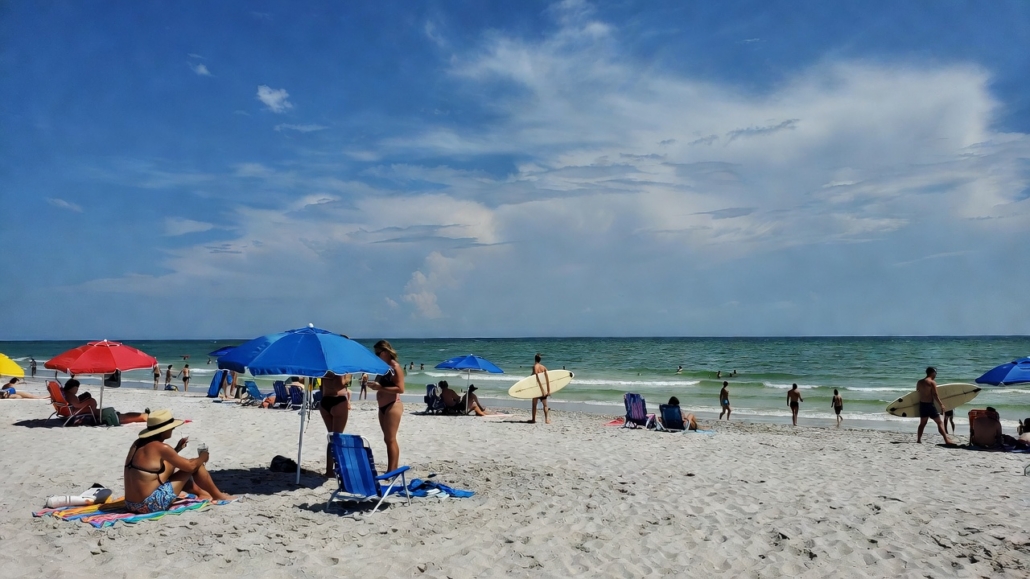
Any list of things to do in Vero Beach starts with the beaches, because they are genuinely excellent and, more importantly, they are not packed. The sand is wide and soft, the water is clean, and most of the public beach parks have free parking, which tells you a lot about how this town operates.
Humiston Beach Park is the one I send first-time visitors to. It sits right at the south end of Ocean Drive, so you can park, swim, and then walk to lunch and shopping without moving your car. Lifeguards, restrooms, a small boardwalk, and a playground for the kids. It is the easiest “I have one beach day” choice.
South Beach Park is my pick when I want more room. Wide open white sand, turquoise water, shaded picnic areas, ADA access, and parking that actually has spaces. It is a little quieter than Humiston and feels more like a locals’ beach.
Jaycee Park and Sexton Plaza round out the central beach area. Sexton Plaza puts you right at Ocean Drive, and Jaycee has a covered pavilion and a boardwalk that is great for a sunset walk.
If you are willing to drive twenty-five minutes north, Sebastian Inlet State Park is worth it, especially with kids. The water on the lagoon side is calm and shallow, the fishing off the jetty is some of the best on this stretch of coast, and you can actually snorkel there. There is a small per-vehicle entry fee, and it earns it.
A local tip most visitor guides skip: Vero is one of the most important sea turtle nesting beaches in the country. From roughly May through October, loggerheads, greens, and the occasional leatherback come ashore at night to nest. Several groups run permitted nighttime turtle walks in June and July. If you are here in summer, that is the experience to book. Watching a 300-pound sea turtle dig a nest by moonlight beats anything on a typical itinerary.
McKee Botanical Garden (the one thing everyone agrees on)
If you do one paid attraction in Vero Beach, make it McKee Botanical Garden on US-1. This is the rare spot that lands on every single local’s list, mine included.
The short history is worth knowing because it tells you something about Vero. Back in the 1930s, before Disney existed, McKee was pulling in around 100,000 visitors a year. Its founders bought the land planning to plant citrus, looked at how beautiful it was, and decided it was too pretty to plow under. That instinct, leaving something beautiful alone, is basically the town’s personality.
Today you get one of the largest outdoor water lily collections in the country, jungle paths winding past orchids and waterfalls, and a children’s garden with a climbable shipwreck and a splash area that my visitors’ kids never want to leave. The annual Water Lily Festival in June is the highlight of the year if you can time it.
Plan on an hour and a half to two hours. Go in the morning before it heats up.
Downtown Vero and the Ocean Drive shopping district
Vero has two distinct “downtowns,” and both are worth your time.
Ocean Drive in the Central Beach area is the polished one. Think boutiques, galleries, coffee, and a stretch of restaurants you can walk between. It is where you go for a relaxed lunch after the beach or a drink as the sun goes down. The whole district is compact and walkable, which is exactly why I tell people to park once at Humiston and just stay on foot.
Historic Downtown Vero, on the mainland around 14th Avenue, is the artsier, more local-feeling one. This is the cultural arts district, full of galleries, the kind of independent shops that have been there for years, and a calendar of festivals and art shows. The monthly gallery stroll is a genuinely nice low-cost evening. Pocahontas Park anchors it and hosts events and a seasonal farmers market crowd.
For the Vero Beach Farmers Market, head to the Humiston Park area on Saturday mornings in season. Local produce, Indian River citrus, prepared food, and a community feel. It is one of those small things that makes the town feel like a town and not a strip of condos.
The cultural triangle: museum, theater, and live arts
For a town this size, Vero punches absurdly above its weight on arts and culture. That is partly the snowbird effect. A lot of accomplished people retire here and want a real cultural scene, so the town built one.
Vero Beach Museum of Art on Riverside Park Drive is the principal art museum on the entire Treasure Coast. Rotating regional and national exhibitions, studio classes, and a genuinely good permanent collection. It is the kind of museum you do not expect to find in a town of 16,000 people.
Riverside Theatre, in the same Riverside Park complex, is a professional theater that brings in real productions and touring talent. In season, it is a legitimate night out. Locals plan their winter around the schedule, and tickets for the good shows go fast.
Between the museum, the theater, and the gallery district downtown, you could fill several rainy or too-hot days without ever repeating yourself.
The Historic Jungle Trail and Pelican Island
This is my favorite “you will not find this on a billboard” recommendation, and it is the kind of thing that makes Vero, Vero.
The Historic Jungle Trail is an eight-mile hard-packed sand road on the National Register of Historic Places. It was built in the 1920s to haul out the citrus crop, and it was the original A1A. It runs along the Indian River Lagoon under a canopy of trees in places, and you can drive it very slowly, bike it on fat tires, jog it, or walk it. The biking is the move if you have the gear.
Follow it north and you reach Pelican Island National Wildlife Refuge, which is not a small deal historically. It was the very first national wildlife refuge in the United States, created by Teddy Roosevelt in 1903 to stop plume hunters from wiping out the wading birds. There is a boardwalk, the Centennial Trail, that lists every national wildlife refuge in order of creation, ending with this one. If you care about birds, history, or just a quiet walk with a view, it delivers.
Heading south on the trail, stop at Captain Forster Hammock Preserve for a shady walk through original maritime hammock, and Jones Pier, the county’s first dock, where a preserved pioneer home and a recreated fruit stand sit on a stretch of the lagoon that looks almost exactly as it did a century ago.
The Environmental Learning Center
The Environmental Learning Center out on Wabasso is one of the best things to do in Vero Beach with kids, and honestly it is good for adults too. Interactive exhibits, a touch tank, and a boardwalk trail through the mangroves that stays shaded most of the way. They run guided lagoon excursions and programs that actually teach you something about the Indian River Lagoon, which is one of the most biodiverse estuaries in North America. It sits right in your backyard here, and most visitors never realize what they are looking at.
On and around the water
Vero sits between the Atlantic and the Indian River Lagoon, so the water is half the reason to be here.
- Fishing is excellent, inshore and offshore. Sebastian Inlet, the lagoon, and the surf all produce. Charters are easy to book.
- Kayaking and paddleboarding the lagoon is calm-water, beginner-friendly, and the best way to see manatees, dolphins, and wading birds up close. Round Island Riverside Park has a nice launch and a manatee observation area.
- Boating is a way of life here. If you do not have a boat, plenty of operators run sunset and dolphin cruises.
Cooler months, roughly November through March, are prime time for spotting manatees gathered in the warmer lagoon water. That overlaps perfectly with peak visitor season, which is convenient.
Food, citrus, and a couple of local institutions
You will not go hungry. Ocean Drive and South Beach cover everything from upscale to casual, and downtown has the more independent, chef-driven spots. A few things worth knowing as a local:
- Indian River citrus is genuinely famous, not marketing fluff. The growing conditions here produce some of the best grapefruit and oranges in the world. Pick some up from a local stand. It travels well as a gift.
- The town has a real craft brewery scene now, with several taprooms that make for a relaxed afternoon.
- The historic Driftwood Inn on the beach, built by the same eccentric character who co-founded McKee Garden out of salvaged timber and odd antiques, is worth a look even if you are just having a drink. It is pure Old Florida.
Things to do in Vero Beach by season
This is the part most visitor guides leave out, and it is the part that actually matters. What you do in Vero depends entirely on when you come.
Winter (November to April), the dry season and peak season. This is Vero at its best and busiest. Low humidity, perfect beach weather, the full Riverside Theatre and museum season, farmers markets, art shows, and the downtown gallery strolls all running. This is when the snowbirds arrive and the town comes fully alive. Book restaurants and theater tickets ahead. If you are visiting to decide whether you want to spend winters here, this is the only honest time to do it.
Spring (April to May), the sweet spot. The winter crowd thins out, the weather is still excellent, and you get the place a little more to yourself. McKee is gearing up toward the Water Lily Festival. This is my favorite stretch.
Summer (June to September), hot, humid, and underrated. Yes, it is warm and you will get afternoon thunderstorms. But this is sea turtle nesting season, the beaches are quiet, prices drop, and the morning-on-the-water, afternoon-indoors rhythm works fine. Hit the beach or the river early, do the museum or McKee mid-day, and you are golden.
Fall (October to November), the gamble. It is the tail of hurricane season, so you watch the tropics. But you also get warm water, almost no crowds, and the best rates of the year. Locals love October.
A simple one-day Vero Beach itinerary
If you only have a day and you want my exact plan, here it is:
- Morning: McKee Botanical Garden, right when it opens, before the heat.
- Late morning: park at Humiston Beach Park and walk Ocean Drive.
- Lunch: one of the Ocean Drive or South Beach spots, outside if the weather is good.
- Afternoon: back to Humiston or South Beach Park for sand and water.
- Late afternoon: if it is winter, browse the shops and galleries. If it is summer, drive the Jungle Trail with the windows down.
- Evening: sunset at Jaycee Park, dinner downtown, and a show at Riverside Theatre if something good is on.
That is a near-perfect Vero day, and none of it requires fighting a crowd.
So you came to visit and started thinking about staying
I will be straight with you, because it happened to me and it happens to a lot of people. You come to Vero for a long weekend, you notice the beaches are empty and free to park at, the downtown actually has character, the traffic is nothing, and the people are friendly. And somewhere around day two you find yourself wondering what it would cost to be here every winter, or every day.
That is not an accident. Vero attracts people who have lived in busier, more expensive places and are ready for something calmer without giving up good food, good arts, and good beaches. A lot of my clients are Northerners and snowbirds who came down to escape the cold, fell for the town the same way I did, and decided to make it permanent or semi-permanent.
If that is where your head is going, the practical questions are usually the same: barrier island versus mainland, the gated golf-and-river communities versus the walkable beachside neighborhoods, what a winter place actually costs to own and carry, and whether you want to rent it out when you are not here. Those are exactly the conversations I have all day. I live here year-round, I know the neighborhoods block by block, and I am happy to be a straight-shooting resource whether you are buying next month or just kicking tires for a few years out.
You can see how I think about the different Vero Beach neighborhoods here (placeholder, link to your neighborhoods or communities page), read the full rundown on moving to Vero Beach as a Northern or snowbird buyer (placeholder, link to your relocation guide), or browse current Vero Beach homes for sale (placeholder, link to your IDX search page).
Frequently asked questions about things to do in Vero Beach
What is Vero Beach known for? Uncrowded beaches, the Indian River Lagoon, citrus, sea turtle nesting, and a low-rise, preserved Old Florida character. It is also known as a quieter, more cultured alternative to the busier coastal cities to the south, which is why it draws so many retirees and snowbirds.
Is Vero Beach worth visiting? Yes, especially if you want a relaxed beach trip over a party scene. The beaches are excellent and free to park at, there is a real downtown and arts scene, and you avoid the crowds and traffic of bigger Florida destinations.
What is there to do in Vero Beach for free? Most of the best things. The public beaches, the Historic Jungle Trail, Pelican Island, the downtown gallery district, walking Ocean Drive, the farmers market, and sunset at any of the beach parks all cost nothing.
What is the best time to visit Vero Beach? November through April for the best weather, full cultural season, and snowbird energy. April and May are the sweet spot for great weather with thinner crowds. Summer is hot but quiet and is the only time for sea turtle nesting walks.
What can you do in Vero Beach when it rains? The Vero Beach Museum of Art, McKee’s indoor areas and gift shop, the downtown galleries and shops, the Environmental Learning Center exhibits, a brewery taproom, or a matinee at Riverside Theatre.
Is Vero Beach good for families? Very. Calm beaches with lifeguards, the McKee children’s garden, the Environmental Learning Center touch tank, Sebastian Inlet’s shallow water, and splash pads like Royal Palm Pointe make it easy with kids.
The bottom line
The best things to do in Vero Beach are the simple ones done well: a good beach you can actually park at, a botanical garden worth the trip, a downtown with real character, and a coastline full of birds, manatees, and sea turtles. It is not flashy. That is the entire appeal.
And if you find yourself doing what so many visitors do, quietly wondering what it would take to make Vero more than a vacation, you know where to find me. I went through that exact thought process, and I have helped a lot of people on the other side of it. Reach out anytime here or here.
Written by Jon Sterling, a Vero Beach resident who has sold real estate on three continents and chose to settle here. The opinions on the beaches are non-negotiable.


Leave a Reply
Want to join the discussion?Feel free to contribute!